In the world of education, the role of a teacher extends far beyond delivering lessons from a textbook.
Educators are entrusted with the profound responsibility of nurturing curiosity and fostering an environment where exploration thrives.
The competencies that encourage this exploration are essential, as they not only shape the learning experience but also influence the broader journey of students as they navigate the world.
A gentle approach to fostering curiosity
At the heart of encouraging exploration lies the teacher’s ability to cultivate a sense of curiosity within their students. This begins with a gentle and open approach to learning, where questions are welcomed, and exploration is celebrated. Teachers who model curiosity themselves can ignite a spark in their students, prompting them to ask questions and seek out answers beyond the confines of the classroom.
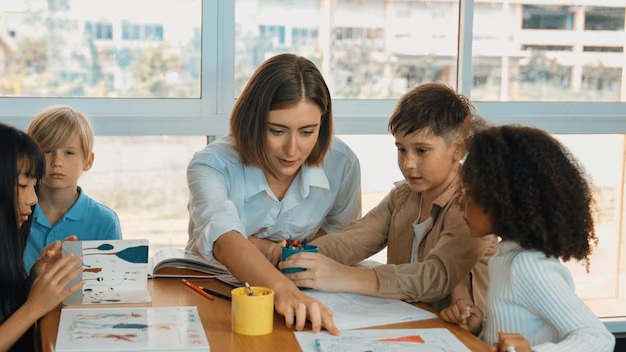
A key competency here is active listening. When teachers listen attentively to their students, they validate their thoughts and feelings, making them feel valued. This connection encourages students to share their ideas and inquiries freely, creating a rich dialogue that can lead to deeper exploration. An educator who nods thoughtfully as a student shares a unique perspective fosters an atmosphere of trust and openness, where exploration is not only encouraged but expected.
Creating a safe space for risk-taking
Another vital competency is the ability to create a safe space for students to take risks. Exploration often involves stepping outside of one’s comfort zone, and teachers must help students understand that mistakes are a natural part of the learning process. When educators frame challenges as opportunities for growth, they empower students to embrace uncertainty and pursue new ideas without fear of failure.
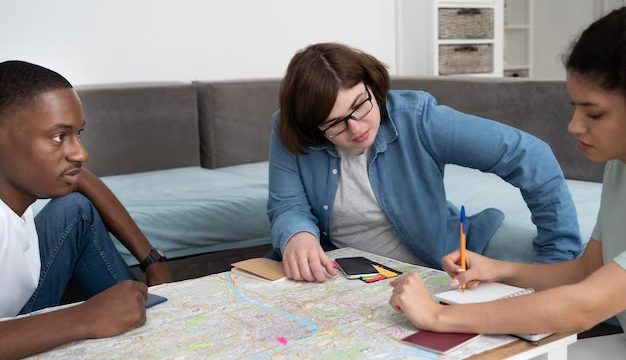
This nurturing environment can be cultivated through simple yet effective practices. Encouraging group discussions where students can share their thoughts without judgment fosters a sense of community. When students see their peers supporting one another, they feel more confident to express their own ideas and attempt new things. This camaraderie can lead to collaborative explorations that deepen understanding and foster innovation.
Encouraging a growth mindset
A teacher’s belief in a growth mindset can significantly impact their students’ willingness to explore. When educators communicate that abilities and intelligence can be developed through effort and perseverance, they inspire students to embrace challenges rather than shy away from them. This perspective is vital in encouraging exploration, as it helps students view obstacles as stepping stones rather than barriers.
To instill a growth mindset, teachers can share stories of famous figures who faced challenges and setbacks on their journeys. By highlighting the importance of resilience and adaptability, educators can motivate their students to approach learning as an ongoing adventure. When students understand that exploration is a process filled with ups and downs, they are more likely to engage wholeheartedly in their educational experiences.
Fostering creativity and imagination
Creativity is an essential component of exploration, and teachers play a pivotal role in nurturing this quality. By providing opportunities for creative expression, educators can encourage students to think outside the box and explore various avenues of inquiry. Whether through art, writing, or hands-on projects, fostering creativity allows students to express their unique perspectives and delve into subjects that resonate with them.
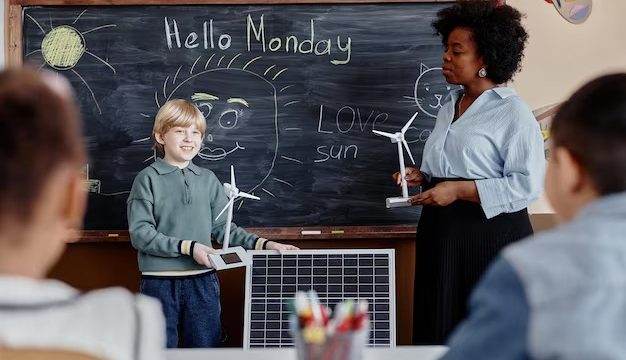
One effective way to promote creativity is through project-based learning. When students are given the freedom to explore topics of interest through collaborative projects, they become active participants in their education. This hands-on approach not only enhances their understanding of the subject matter but also ignites a passion for exploration that can last a lifetime.
Connecting learning to the real world
To truly encourage exploration, teachers should strive to connect classroom learning to the real world. When students see the relevance of what they are learning, they are more likely to engage deeply with the material. This connection can be made through field trips, guest speakers, or integrating current events into discussions.
By bridging the gap between theory and practice, educators can inspire students to explore how their learning applies to everyday life. For instance, discussing environmental issues in the context of local community initiatives can motivate students to explore solutions and become active participants in their communities. This real-world connection not only enhances their learning experience but fosters a sense of responsibility and curiosity about the world around them.
Embracing diverse perspectives
In today’s interconnected world, embracing diverse perspectives is crucial for fostering exploration. Teachers who encourage students to consider different viewpoints and cultural backgrounds enrich the learning environment. This openness not only broadens students’ horizons but also equips them with critical thinking skills necessary for navigating complex issues.
Educators can promote this diversity by incorporating literature, art, and examples from various cultures into their curriculum. By exposing students to different narratives, they cultivate empathy and understanding, allowing students to explore topics from multiple angles. This practice not only enhances their learning experience but also prepares them to engage thoughtfully with the world beyond the classroom.
A continuous journey of learning
Ultimately, the competencies that encourage exploration in education are not static; they evolve as both teachers and students grow. Educators who embrace lifelong learning set an example for their students, demonstrating that exploration is a continuous journey. By seeking out professional development opportunities, sharing experiences with colleagues, and remaining open to new teaching methods, teachers can inspire their students to adopt a similar mindset.
As educators cultivate their own curiosity and willingness to explore, they create a dynamic learning environment where students feel empowered to do the same. This reciprocal relationship fosters a culture of exploration that transcends the classroom, encouraging students to become lifelong learners who approach the world with wonder and inquiry.
In conclusion, the competencies that encourage exploration in education are multifaceted and deeply impactful. By fostering curiosity, creating safe spaces for risk-taking, promoting a growth mindset, and connecting learning to the real world, teachers play a crucial role in shaping the exploratory spirit of their students. As we recognize the importance of these competencies, we can work towards creating enriching educational experiences that inspire future generations to explore the vast possibilities that lie ahead.