In the ever-evolving landscape of education, one truth remains constant: every student is unique.
Their backgrounds, learning styles, and interests shape their educational journeys in distinct ways.
As such, the role of a teacher extends far beyond the traditional boundaries of instruction.
To truly foster a nurturing and effective learning environment, teachers must develop competencies that adapt to the diverse needs of their students. This article explores those essential competencies and how they can create a more inclusive and engaging classroom experience.
A gentle understanding of individual differences
At the heart of effective teaching is the ability to recognize and appreciate the differences among students. Each child brings their own set of experiences, strengths, and challenges. By cultivating a deep understanding of these individual differences, teachers can tailor their approaches to meet each student’s needs. This awareness allows them to create lessons that resonate more personally, ensuring that every student feels valued and understood.
Listening is an art
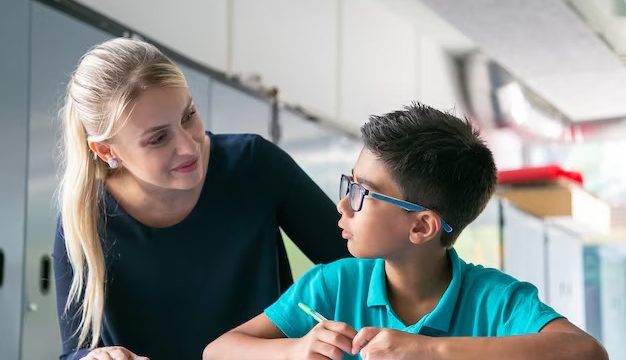
One of the most powerful tools in a teacher’s toolkit is the ability to listen. Active listening goes beyond hearing words; it involves understanding emotions, intentions, and concerns. When students feel heard, they are more likely to engage with the material and express their thoughts openly. Teachers who practice active listening can adapt their teaching strategies based on feedback and observations, making adjustments that support their students’ learning processes.
Fostering emotional intelligence
Emotional intelligence plays a pivotal role in adapting to student needs. Teachers who are attuned to their own emotions and those of their students can create a safe space for learning. By fostering an environment where students feel comfortable expressing their feelings, teachers can help them navigate challenges and celebrate successes. This emotional connection nurtures resilience and encourages students to take risks in their learning.
Flexibility in teaching methods
A one-size-fits-all approach to education often falls short of addressing the diverse needs of students. Teachers who embrace flexibility in their teaching methods can better cater to various learning styles. Whether it’s incorporating visual aids for visual learners, hands-on activities for kinesthetic learners, or discussions for auditory learners, a diverse range of teaching methods can engage students more effectively. This adaptability not only enhances understanding but also fosters a love for learning.
Creating a culture of inclusion
Inclusion is more than a buzzword; it’s a fundamental aspect of modern education. Teachers who prioritize inclusivity create a classroom environment where all students feel welcome and respected. This involves being mindful of language, cultural differences, and varying abilities. By promoting a culture of inclusion, teachers can help students learn from one another and appreciate the richness of diverse perspectives. Such an environment enhances collaboration and builds community within the classroom.
Encouraging student agency
Empowering students to take ownership of their learning is a vital competency for modern educators. When students feel they have a say in their educational journey, they become more invested in their learning. Teachers can encourage this sense of agency by providing choices in assignments, allowing for self-directed projects, and promoting goal-setting. By fostering independence, teachers help students develop critical thinking skills and a sense of responsibility for their education.
Integrating technology thoughtfully
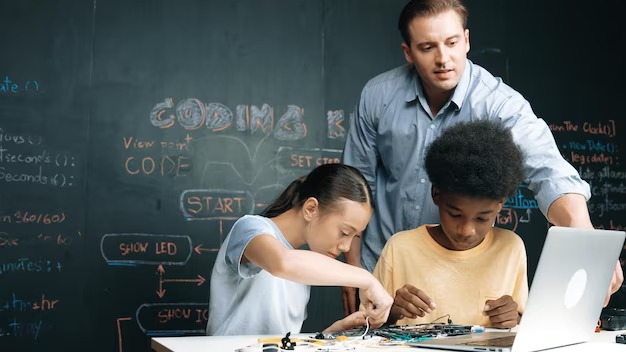
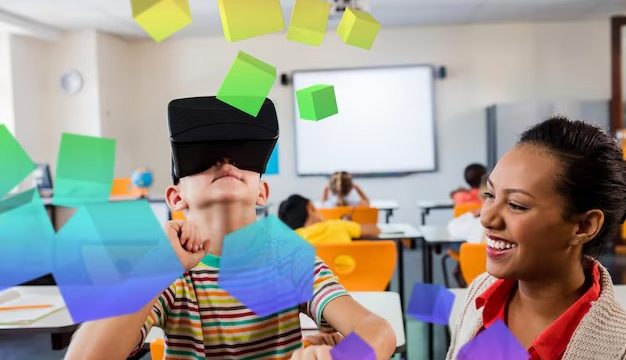
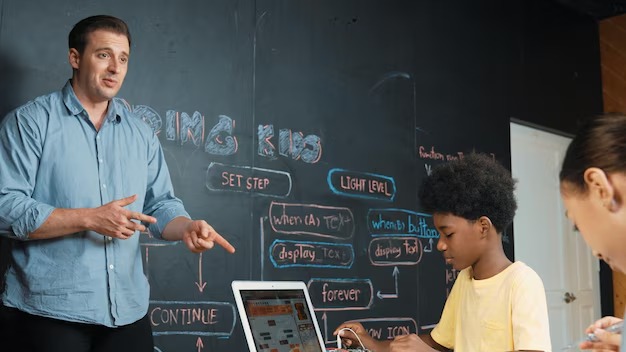
In today’s digital age, technology can be a powerful ally in adapting to student needs. However, it’s essential for teachers to integrate technology thoughtfully. This means understanding the tools available and how they can enhance learning experiences. By using educational apps, online resources, and collaborative platforms, teachers can provide personalized support and engage students in innovative ways. The key is to strike a balance between traditional methods and technological advancements, ensuring that technology serves as a tool for enhancement rather than a distraction.
Building strong relationships
At the core of effective teaching lies the ability to build strong relationships with students. When teachers take the time to connect with their students on a personal level, they foster trust and respect. This connection enables teachers to better understand their students’ needs and motivations. Simple gestures, like learning students’ names, celebrating their achievements, and showing genuine interest in their lives, can make a world of difference. Strong relationships create a supportive atmosphere where students feel safe to express themselves and take risks in their learning.
Reflecting on practice
The journey of a teacher is one of continuous growth and reflection. Effective educators regularly assess their own practices and seek feedback from peers and students. This reflective practice allows teachers to identify areas for improvement and adapt their strategies accordingly. By embracing a mindset of lifelong learning, teachers not only enhance their competencies but also model the importance of growth for their students.
A holistic approach to education
Finally, it’s essential to recognize that teaching is not just about academics; it’s about the whole child. Teachers who adopt a holistic approach consider the social, emotional, and physical well-being of their students. This means being aware of factors that may affect learning, such as stressors at home or challenges in social interactions. By addressing these aspects, teachers can create a more supportive and nurturing environment that promotes overall well-being and academic success.
In conclusion, the competencies that allow teachers to adapt to student needs are rooted in understanding, flexibility, and connection. By embracing these qualities, educators can create a rich and inclusive learning environment that empowers every student. As we move forward in the ever-changing world of education, it is these competencies that will shape the future of teaching and learning, ensuring that every student has the opportunity to thrive. Embracing the uniqueness of each child not only enriches the classroom experience but also prepares them for a world that values diversity and collaboration.