In the vibrant world of education, the role of a teacher extends far beyond the confines of textbooks and lesson plans.
Effective teachers are not just purveyors of knowledge; they are architects of a nurturing environment where respectful interaction flourishes.
This atmosphere of mutual respect is essential for fostering not only academic growth but also emotional and social development.
Creating a culture of respect begins with the teacher’s approach to communication. A teacher who listens actively and engages with students in a meaningful way sets the stage for a respectful classroom dynamic. When students feel heard, they are more likely to reciprocate that respect. This two-way communication is foundational; it allows students to express their ideas and concerns without fear of judgment. The warmth of a teacher’s response can transform a simple exchange into a powerful connection, paving the way for a more engaged learning experience.
Another vital aspect of fostering respectful interactions is modeling behavior. Teachers who demonstrate respect in their interactions with students and colleagues create a ripple effect. When students observe their teachers treating others with kindness and consideration, they are more likely to emulate these behaviors. It’s in the small moments—a teacher patiently waiting for a student to gather their thoughts, or offering a word of encouragement after a challenging task—where respect takes root. These everyday actions speak volumes, illustrating to students that respect is not just a rule to be followed, but a value to be embraced.
In addition to modeling respect, effective teachers also create an inclusive environment where every voice is valued. This inclusivity is essential for building a classroom culture where students feel comfortable sharing their thoughts and experiences. By inviting diverse perspectives into discussions, teachers enrich the learning experience and help students understand the importance of empathy. When students see their peers recognized and respected, they learn to appreciate the differences that make each individual unique. This understanding fosters a sense of community, where everyone feels they belong.
A small shift toward balance can also play a significant role in promoting respectful interactions. Effective teachers recognize the importance of balance in authority and approachability. While it is essential for teachers to maintain a sense of authority in the classroom, being approachable is equally important. When students feel they can approach their teacher without hesitation, it opens the door to honest conversations. This balance encourages students to express their thoughts and feelings, which can lead to a greater understanding of one another.
Another key element in fostering respect is the encouragement of collaborative learning. Group activities and discussions not only enhance academic skills but also teach students how to work together harmoniously. In these collaborative settings, students learn to listen to one another, negotiate differing viewpoints, and find common ground. This process of working through disagreements in a respectful manner is invaluable; it equips students with essential life skills that extend beyond the classroom.
Creating a respectful classroom also involves setting clear expectations. When teachers communicate their expectations for behavior and interaction, students are more likely to engage in respectful dialogue. It’s important that these expectations are conveyed in a positive light, emphasizing the benefits of respectful interactions rather than focusing solely on the consequences of disrespect. By framing respect as a shared value that enhances the learning environment, teachers can inspire students to take ownership of their behavior.
Open dialogue about respect can also enhance the classroom experience. Effective teachers often take the time to discuss what respect looks like and why it matters. These conversations can be eye-opening for students, helping them to understand the impact of their words and actions on others. When respect is a topic of discussion, it becomes a shared responsibility among students and teachers alike. This collaborative approach reinforces the notion that everyone plays a role in maintaining a respectful atmosphere.
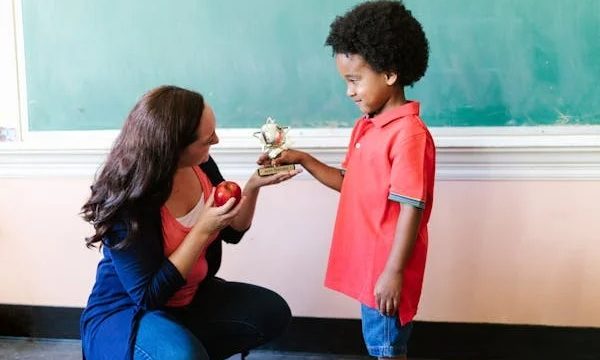
Furthermore, recognizing and celebrating respectful behavior can reinforce its importance. Acknowledgment can take many forms, from simple verbal praise to more formal recognition of students who exemplify respect. This celebration not only motivates those recognized but also encourages others to aspire to similar behaviors. When respect is highlighted as a valued trait within the classroom, it cultivates a culture where kindness and consideration are the norm.
In the grand tapestry of education, fostering respectful interactions is a thread that weaves through every aspect of teaching. Effective teachers understand that respect is not merely a guideline; it is the very foundation upon which a supportive learning environment is built. By actively listening, modeling respectful behavior, creating inclusivity, encouraging collaboration, setting clear expectations, and engaging in open dialogue, teachers can cultivate a classroom where respect thrives.
Ultimately, the impact of respectful interactions extends beyond the classroom walls. Students who learn the value of respect develop essential social skills that will serve them well throughout their lives. As they carry these lessons into their future endeavors, they contribute to a more compassionate and understanding world. In this way, effective teachers not only shape the minds of their students but also help to nurture a brighter future for all.
As we reflect on the vital role of respect in education, let us celebrate the teachers who dedicate themselves to fostering these essential interactions. Their commitment to creating a respectful learning environment is a gift that enriches not only their students’ lives but also the wider community. Together, we can continue to nurture respect as a fundamental value in education, paving the way for a more harmonious and connected society.