In a world filled with data and statistics, the art of storytelling remains a powerful tool, especially in education.
Educators have a unique opportunity to inspire their students through the stories they tell.
Storytelling can transform a mundane lesson into an engaging experience, fostering a deeper connection to the material and sparking curiosity.
By weaving narratives into their teaching, educators can not only impart knowledge but also nurture empathy, creativity, and critical thinking.
Connecting Through Narrative
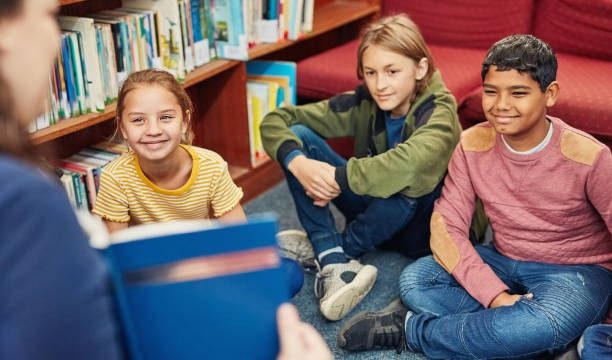
At its core, storytelling is about connection. When educators share stories—whether personal anecdotes, historical tales, or fictional narratives—they invite students into a shared experience. This connection can break down barriers, making the classroom feel like a safe space where students are encouraged to express themselves. When students see their teachers as relatable individuals with stories of their own, it fosters a sense of belonging. This feeling is essential for learning, as it encourages students to engage more fully with the material and each other.
Consider a history lesson about ancient civilizations. Instead of simply presenting facts and dates, an educator might share a story about a day in the life of a young person from that era. This shift from abstract concepts to relatable experiences can make history come alive. Students are more likely to remember the details when they can envision the lives of those who lived them. By crafting narratives that resonate emotionally, educators can help students forge connections that go beyond the classroom.
Encouraging Empathy Through Stories
Empathy is a vital skill in today’s interconnected world. Stories have a remarkable ability to cultivate empathy by allowing students to step into someone else’s shoes. When educators incorporate stories that reflect diverse perspectives, they help students understand experiences that differ from their own. This can be particularly impactful when discussing social issues, cultural differences, or historical events.
For instance, a literature lesson that explores a character’s struggles with identity can prompt discussions about self-acceptance and the challenges faced by individuals in various communities. By engaging with these narratives, students learn not only about the characters but also about the real-world implications of their experiences. This approach encourages them to think critically about their own beliefs and the world around them, nurturing a more compassionate outlook.
Fostering Creativity and Imagination
Storytelling also plays a crucial role in fostering creativity. When educators encourage students to create their own stories, they unlock a world of imagination. This process can be particularly beneficial in subjects like writing or art, where students are often asked to produce original work. By inviting them to craft their narratives, educators can stimulate creative thinking and self-expression.
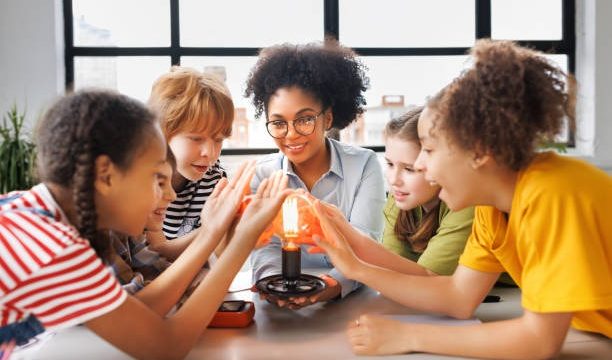
Imagine a science class that introduces a complex concept through a story about an adventurous scientist. Students might be inspired to envision their own experiments or explore scientific ideas through storytelling. This approach not only makes learning enjoyable but also empowers students to take ownership of their education. When they feel free to express themselves creatively, they are more likely to engage deeply with the subject matter.
The Power of Personal Stories
Incorporating personal stories into lessons can also have a profound impact. When educators share their own experiences, they humanize the learning process. Students often appreciate hearing about their teachers’ challenges, successes, and failures, as it reminds them that learning is a journey filled with ups and downs. These personal narratives can serve as powerful motivators, encouraging students to persevere through their own challenges.
For instance, a teacher might recount a struggle they faced while pursuing their career, illustrating the importance of resilience and dedication. Such stories can inspire students to embrace their own journeys, understanding that setbacks are a natural part of growth. By sharing their vulnerabilities, educators create a supportive environment where students feel empowered to take risks in their own learning.
Creating a Collaborative Storytelling Environment
Storytelling can also foster collaboration among students. When educators create opportunities for group storytelling, they encourage teamwork and communication. Students can work together to develop narratives, share ideas, and provide feedback to one another. This collaborative process not only enhances their storytelling skills but also builds a sense of community within the classroom.
Consider a project where students are tasked with creating a collective story that incorporates elements from various subjects. By collaborating, they learn to appreciate each other’s strengths and perspectives, leading to a richer final product. This not only highlights the importance of teamwork but also reinforces the idea that diverse voices contribute to a more comprehensive understanding of any topic.
A Small Shift Toward Balance
As educators embrace storytelling, it’s essential to strike a balance between narrative and information. While stories can enhance learning, the core content must still be conveyed effectively. Educators can weave storytelling into their lessons without overshadowing the essential facts and skills students need to acquire. This balance ensures that students receive a well-rounded education that combines knowledge with creativity.
Incorporating storytelling techniques can take many forms, from using vivid imagery and descriptive language to employing dramatic pauses and intonations. Educators can experiment with different storytelling methods to find what resonates most with their students. By being mindful of their audience, they can tailor their approach to create an engaging and informative learning experience.
Inspiring Lifelong Learners
Ultimately, the goal of education is to inspire lifelong learners. Storytelling is an invaluable tool in achieving this aim. By making lessons memorable and meaningful, educators can ignite a passion for learning that extends beyond the classroom. When students connect with the material on an emotional level, they are more likely to pursue knowledge independently, seeking out stories and experiences that enrich their understanding of the world.
Incorporating storytelling into education is not just about enhancing lessons; it’s about creating a vibrant learning environment where students feel valued and inspired. As educators embrace the art of storytelling, they foster connections, empathy, creativity, and collaboration, all of which are essential skills for success in life. By sharing narratives, both personal and universal, educators can inspire the next generation to explore, question, and grow, cultivating a love for learning that lasts a lifetime.