In today’s fast-paced world, the importance of fostering independent learning among students cannot be overstated.
As educators, the goal is not only to impart knowledge but also to empower students to take charge of their own learning journey.
This shift toward nurturing self-directed learners requires a unique set of competencies from teachers.
By embracing these competencies, educators can create an environment where curiosity thrives, and students feel confident in exploring their interests.
A gentle approach to fostering independence
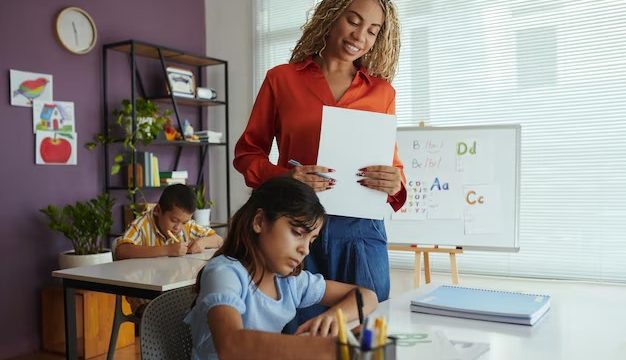
The first step in encouraging independent learning is to create a warm, inviting atmosphere where students feel safe to express their thoughts and ideas. A classroom that radiates positivity and acceptance can work wonders in helping students develop a sense of belonging. When learners feel comfortable, they are more likely to engage in exploration and take risks in their learning.
Teachers can achieve this by actively promoting a culture of respect and understanding. Simple gestures, such as listening attentively to students’ opinions or validating their feelings, can make a significant difference. When students know their voices matter, they become more willing to share their thoughts and embark on their own learning adventures.
Nurturing curiosity and creativity
Curiosity is the fuel for independent learning, and teachers play a pivotal role in igniting that spark. By encouraging students to ask questions and explore various topics, educators can help them develop a love for learning that extends beyond the classroom walls. Incorporating open-ended questions into discussions can stimulate critical thinking and inspire students to dig deeper into subjects that intrigue them.
Creativity is another essential ingredient in the recipe for independent learning. Teachers can foster an environment where creative expression is celebrated, allowing students to approach tasks from different angles. This could mean incorporating art, music, or hands-on projects into the curriculum. When students are encouraged to think outside the box, they often discover new passions and interests that can lead to lifelong learning.
A small shift toward balance
While fostering independence, it’s also crucial for teachers to strike a balance between guidance and autonomy. Educators should act as facilitators, providing support and resources while allowing students the freedom to make choices. This involves recognizing when to step back and let students navigate challenges on their own.
One effective way to promote this balance is through goal-setting activities. By helping students identify their learning objectives, teachers can guide them in creating a roadmap for their progress. This not only instills a sense of ownership over their learning but also teaches valuable skills in self-regulation and time management.
Building resilience and adaptability
In the journey toward independent learning, resilience is key. Students will inevitably face setbacks and challenges, and it is the teacher’s role to help them develop a growth mindset. By emphasizing the importance of perseverance and viewing mistakes as learning opportunities, educators can cultivate resilience in their students.
Encouraging adaptability is equally important in today’s ever-changing landscape. Teachers can create a flexible learning environment where students are encouraged to adjust their approaches when faced with obstacles. This adaptability fosters a sense of confidence and prepares students for the uncertainties of the future.
Fostering collaboration and community
While independence is vital, it is equally important for students to understand the value of collaboration. Teachers can create opportunities for group work and peer learning, allowing students to learn from one another. This not only enhances their social skills but also reinforces the idea that learning is a shared journey.
Incorporating collaborative projects into the curriculum can help students appreciate diverse perspectives and understand that they are part of a larger community of learners. By fostering a sense of belonging, teachers can create a supportive network that encourages students to pursue their interests together.
Encouraging self-reflection
Self-reflection is a powerful tool for independent learning. Teachers can guide students in developing reflective practices that help them assess their progress and identify areas for improvement. Journaling, discussions, or even digital portfolios can serve as effective means for students to articulate their thoughts and feelings about their learning experiences.
By encouraging self-reflection, educators empower students to take ownership of their learning journeys. This practice not only promotes independence but also instills a lifelong habit of self-assessment and personal growth.
Embracing technology as a tool
In the digital age, technology can be a valuable ally in promoting independent learning. Teachers can introduce various online resources, platforms, and tools that allow students to explore topics at their own pace. Whether it’s through interactive simulations, educational videos, or online forums, technology can enhance the learning experience and provide students with endless opportunities for exploration.
However, it is essential for teachers to guide students in using technology responsibly. By teaching digital literacy and critical thinking skills, educators can ensure that students are equipped to navigate the vast sea of information available online.
Celebrating achievements, big and small
Finally, recognizing and celebrating students’ achievements is crucial in fostering a sense of accomplishment. Whether it’s a small milestone or a significant breakthrough, acknowledging their efforts reinforces the importance of their learning journey. This positive reinforcement encourages students to continue pursuing their interests and striving for independence.
As educators, the competencies we develop to encourage independent learning are vital in shaping the next generation of thinkers, creators, and problem-solvers. By nurturing curiosity, fostering resilience, and celebrating achievements, we can create an environment where students feel empowered to take control of their own learning. In this way, we not only prepare them for academic success but also instill a lifelong love of learning that will serve them well beyond the classroom.