In the heart of every classroom lies a world of potential waiting to be unlocked.
The effectiveness of a teacher can be the key that opens this door, transforming the traditional learning experience into something vibrant and engaging.
As we navigate the complexities of education, it becomes increasingly clear that engaging lessons are not just beneficial; they are essential for fostering a love of learning in students.
The foundation of a teacher’s effectiveness often rests on their ability to connect with students. This connection is not merely about imparting knowledge but about creating an environment where students feel valued and understood. When teachers take the time to know their students—learning about their interests, strengths, and even their challenges—they can tailor their lessons to resonate on a personal level. This personal touch can make all the difference, turning a mundane topic into an exciting exploration.
Engaging lessons are like threads woven into the fabric of a student’s educational journey. They capture attention and ignite curiosity, allowing students to explore subjects in ways that feel relevant and stimulating. For instance, consider a science lesson about ecosystems. Instead of sticking to textbook definitions, a teacher might invite students to create their own mini-ecosystems in jars. This hands-on approach not only makes the lesson memorable but also encourages critical thinking and collaboration among peers.
Creating these engaging lessons often requires a shift in perspective. Teachers can benefit from embracing creativity and flexibility in their teaching methods. This might mean integrating technology, utilizing storytelling, or incorporating real-world applications into their lessons. The goal is to move beyond rote memorization and foster a deeper understanding of the material. When students can relate what they learn to their own lives, the information becomes more meaningful, and thus, more likely to stick.
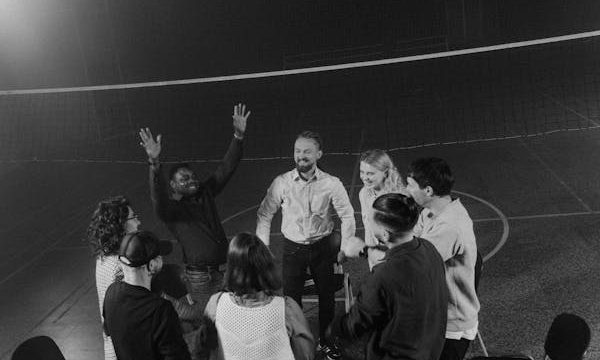
A supportive classroom environment plays a crucial role in enhancing teacher effectiveness. When students feel safe to express their thoughts and ask questions, they are more likely to engage actively in the learning process. Teachers can cultivate this environment by encouraging open dialogue and fostering a sense of community. Activities that promote teamwork and collaboration can help students build relationships with one another, making them more comfortable participating in discussions and sharing their perspectives.
Moreover, the importance of feedback cannot be overstated. Constructive feedback helps students understand their progress and areas for improvement. A teacher who provides timely and thoughtful feedback not only guides students in their learning journey but also motivates them to strive for excellence. When students see that their efforts are acknowledged, they are more likely to take ownership of their learning and push themselves further.
In addition to creating engaging lessons, effective teachers are often lifelong learners themselves. They seek professional development opportunities to enhance their skills and stay current with educational trends. This commitment to growth not only benefits the teachers but ultimately enriches the students’ learning experiences. When teachers are enthusiastic about their own learning, this passion can be infectious. Students are likely to mirror this enthusiasm, leading to a more dynamic and engaging classroom atmosphere.
The role of a teacher extends beyond academics; they often serve as role models and mentors. By demonstrating values such as resilience, empathy, and curiosity, teachers can inspire their students to adopt these qualities as well. This holistic approach to education nurtures not only intellectual growth but also emotional and social development, preparing students to navigate the world beyond the classroom.
As we reflect on the value of engaging lessons, it’s important to acknowledge the diverse needs of students. Each child comes into the classroom with a unique set of experiences and perspectives. Effective teachers recognize this diversity and strive to create inclusive lessons that cater to various learning styles. Whether through visual aids, hands-on activities, or group discussions, a thoughtful approach to lesson planning can ensure that every student has the opportunity to thrive.
Incorporating elements of fun into lessons can also enhance engagement. When learning feels like an adventure rather than a chore, students are more likely to participate actively. Games, role-playing, or creative projects can turn complex subjects into enjoyable experiences. This playful approach not only makes learning enjoyable but also fosters a sense of community among students, making the classroom a place where they want to be.
Ultimately, the impact of effective teaching and engaging lessons extends far beyond the classroom walls. The skills and knowledge students acquire during their formative years shape their futures. When teachers invest in creating a nurturing and stimulating learning environment, they empower students to become lifelong learners. This foundation not only benefits individual students but also enriches society as a whole.
As we consider the vital role of teacher effectiveness and the value of engaging lessons, it’s clear that education is a collaborative journey. Teachers, students, and families all play a part in creating a thriving educational experience. By working together and embracing innovative teaching strategies, we can ensure that the classroom remains a place of discovery, creativity, and growth.
In conclusion, the essence of effective teaching lies in the ability to inspire and engage. When lessons are crafted with care and creativity, they become more than just a means to transmit knowledge; they transform into experiences that ignite passion and curiosity. As we continue to prioritize the development of engaging lessons, we pave the way for a brighter future, one where students are excited to learn, explore, and grow. After all, education is not just about filling minds with information; it’s about nurturing hearts and souls, guiding them toward a world of endless possibilities.