In the ever-evolving landscape of education, the role of a teacher is both crucial and complex.
Teachers are not just conveyors of knowledge; they are mentors, guides, and role models for their students.
In this intricate dance of teaching, the concept of gentle direction emerges as an invaluable tool for enhancing teacher effectiveness.
This approach, which emphasizes kindness, understanding, and subtle guidance, can transform classrooms into nurturing environments where both educators and students thrive.
Finding balance in the classroom is essential. Gentle direction encourages a harmonious atmosphere where students feel safe to express themselves and engage with the material. This balance is particularly vital in today’s diverse educational settings, where students come with varying backgrounds, learning styles, and emotional needs. When teachers adopt a gentle approach, they create a space where every student can flourish.
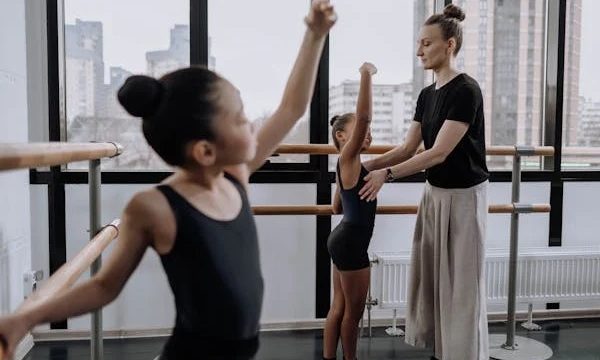
A gentle guiding hand can significantly impact how students perceive and interact with their learning environment. Instead of imposing strict rules or rigid structures, teachers who practice gentle direction focus on fostering positive relationships. This doesn’t mean that expectations are lowered; rather, it’s about setting them in a way that feels supportive rather than punitive. By gently nudging students toward desired behaviors and outcomes, teachers can cultivate a sense of ownership and responsibility in their learning journey.
The effectiveness of gentle direction also lies in its ability to build trust. When students feel that their teachers genuinely care about their well-being, they are more likely to engage in the learning process. This trust creates a foundation for open communication, where students feel comfortable voicing their thoughts and concerns. Teachers who listen actively and respond with empathy can guide their students more effectively, helping them navigate challenges with resilience and confidence.
Incorporating gentle direction into teaching practices can manifest in various ways. For instance, instead of simply correcting a student’s mistake, a teacher might ask guiding questions that encourage the student to reflect on their thought process. This approach not only helps the student understand their error but also empowers them to develop critical thinking skills. It’s a gentle nudge toward self-discovery, rather than a straightforward correction.
Another aspect of gentle direction involves recognizing and celebrating small achievements. In a fast-paced educational environment, it’s easy to overlook the progress students make along the way. By acknowledging these milestones, teachers can reinforce positive behaviors and motivate students to continue striving for success. A simple word of encouragement or a smile can go a long way in making students feel valued and appreciated.
Creating a supportive classroom environment also means being attuned to the emotional needs of students. Gentle direction encourages teachers to be mindful of their students’ feelings, fostering an atmosphere where everyone feels respected and understood. This sensitivity can help teachers identify when a student is struggling, allowing them to offer support without judgment. By prioritizing emotional well-being, teachers can enhance their effectiveness and help students navigate both academic and personal challenges.
The journey of implementing gentle direction is not without its challenges. Teachers may sometimes feel pressure to adhere to strict curricula or standardized testing requirements. However, it’s essential to remember that the ultimate goal of education is not just to impart knowledge but to nurture well-rounded individuals. Finding ways to integrate gentle direction within existing frameworks can lead to a more enriching experience for both teachers and students.
Additionally, gentle direction can extend beyond the walls of the classroom. Teachers can collaborate with parents and caregivers to create a consistent approach to learning and behavior. When families are involved and on the same page, students benefit from a sense of continuity and support. This partnership can enhance the effectiveness of gentle direction, creating a unified front that prioritizes the well-being of the child.
Another beautiful aspect of gentle direction is its potential to inspire a lifelong love of learning. When students feel encouraged and supported, they are more likely to engage with their education positively. This intrinsic motivation can lead to a desire for knowledge that extends beyond the classroom. Teachers who embody a gentle approach can ignite a passion for learning that lasts a lifetime, fostering curiosity and resilience in their students.
As we reflect on the value of gentle direction in teacher effectiveness, it’s clear that this approach offers a pathway to more meaningful educational experiences. By prioritizing kindness, understanding, and subtle guidance, teachers can create a nurturing environment where students feel empowered to learn and grow. The journey may require patience and persistence, but the rewards are profound.
In a world where education can sometimes feel overwhelming, gentle direction serves as a reminder that teaching is not just about delivering content but about connecting with students on a human level. As teachers embrace this philosophy, they contribute to a culture of care and compassion that can transform lives. The impact of their gentle guidance may ripple through generations, creating a brighter future for all involved.
In conclusion, gentle direction is a powerful tool in the arsenal of effective teaching. It fosters trust, encourages self-discovery, and builds emotional resilience in students. By embracing this approach, educators can navigate the complexities of teaching with grace and purpose, ultimately enriching the educational experience for everyone involved. In the gentle art of guiding, teachers not only shape minds but also hearts, nurturing the next generation with care and compassion.