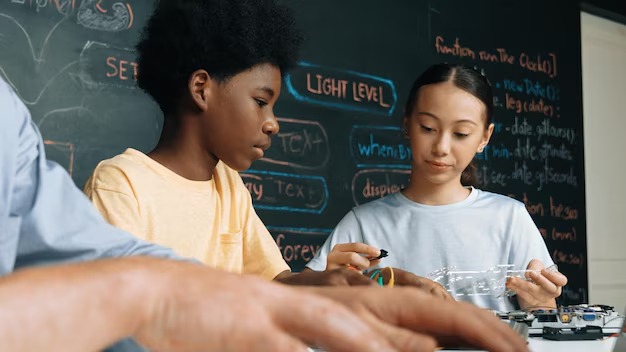
Teaching is often seen as a one-way street, where knowledge flows from educator to student.
However, this perspective overlooks the richness that emerges when teaching transforms into a more dynamic, interactive experience.
Reflective teaching invites educators to step back and consider their practice, creating space for deeper connections and more meaningful interactions in the classroom.
This approach not only enhances the learning environment but also fosters personal growth for both teachers and students.
The essence of reflective teaching lies in the simple act of pausing to think. It encourages educators to examine their methods, beliefs, and the interactions they have with their students. This practice is not about self-criticism or focusing solely on shortcomings; rather, it is about cultivating awareness and understanding. By reflecting on experiences, educators can identify what works well and what could be improved, leading to a richer educational experience.
A small shift toward balance can make a world of difference. In the rush of daily teaching, it can be easy to forget that every classroom is filled with unique individuals, each bringing their own backgrounds, perspectives, and needs. By taking the time to reflect, educators can appreciate these differences and adapt their approaches accordingly. This fosters a sense of belonging among students, making them feel seen and valued.
Incorporating moments of reflection into the teaching routine can also enhance the quality of interactions. For instance, after a lesson, a teacher might take a few minutes to consider how students responded to the material. Did they seem engaged? Were there questions that went unanswered? By pondering these questions, educators can tailor future lessons to better meet their students’ needs. This reflective practice not only improves teaching strategies but also contributes to a more responsive and nurturing classroom atmosphere.
Building connections is at the heart of reflective teaching. When educators engage in thoughtful reflection, they can better understand the emotional and social dynamics at play in their classrooms. This awareness allows them to connect with students on a deeper level, creating relationships founded on trust and respect. When students feel connected to their teachers, they are more likely to participate actively and take ownership of their learning.
Creating a reflective practice does not have to be an overwhelming task. It can begin with small, manageable steps. After each lesson, educators might consider keeping a journal to jot down thoughts and observations. This practice can serve as a valuable tool for capturing insights and tracking progress over time. Journaling can also provide a safe space to explore feelings and challenges, allowing educators to process their experiences and grow.
Another gentle approach to reflection is engaging in dialogue with peers. Sharing experiences and discussing challenges with fellow educators can provide fresh perspectives and new ideas. This collaborative reflection fosters a sense of community among teachers and can lead to innovative strategies that enhance the learning experience for students. By learning from one another, educators can create a culture of continuous improvement that benefits everyone involved.
The power of reflective teaching extends beyond the classroom walls. When educators take the time to reflect, they model lifelong learning for their students. This practice encourages students to become reflective thinkers themselves, nurturing a mindset that values curiosity and growth. As students learn to assess their own understanding and experiences, they develop skills that will serve them well beyond their school years.
Mindfulness can also play a significant role in reflective teaching. By incorporating mindfulness techniques, educators can cultivate a calm and focused mindset, which enhances their ability to reflect. Simple practices, such as deep breathing or brief moments of silence, can help clear the mind and create space for thoughtful consideration. This sense of presence can lead to more intentional interactions with students, fostering an environment where everyone feels comfortable expressing themselves.
As educators embrace reflective teaching, they may find that their own passion for teaching reignites. The process of reflection can rekindle a sense of purpose and joy in the work they do. When teachers feel fulfilled and inspired, this energy radiates into the classroom, positively impacting their students. Learning becomes a shared journey, where both educators and learners grow together.
It’s important to remember that reflective teaching is not a destination but an ongoing journey. There will always be new experiences to learn from and new challenges to face. By committing to this practice, educators can remain adaptable and responsive, ensuring that their teaching evolves alongside their students. This flexibility is key to creating a meaningful learning environment that celebrates growth and discovery.
In a world that often moves too quickly, reflective teaching invites a gentle pause. It encourages teachers to step back, breathe, and consider the profound impact they have on their students’ lives. Through thoughtful reflection, educators can cultivate deeper connections, foster a nurturing atmosphere, and inspire a love of learning that lasts a lifetime.
Ultimately, the journey of reflective teaching is about more than just improving instructional techniques; it’s about nurturing relationships and creating a community of learners who feel valued and understood. As educators embrace this practice, they contribute to a more compassionate and engaged society, one thoughtful interaction at a time.