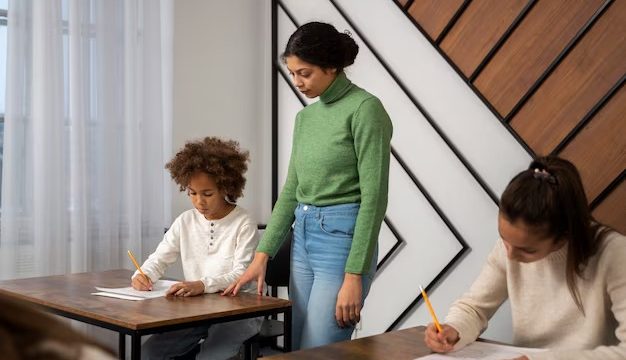
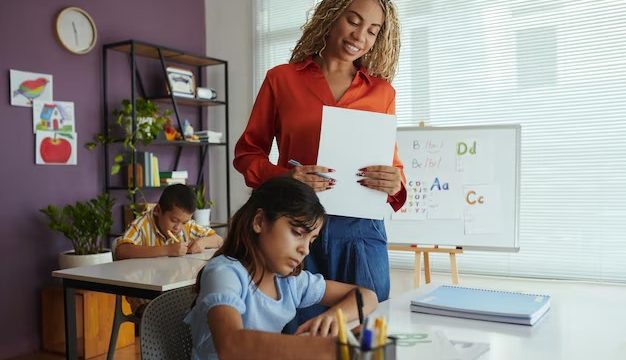
Creating a positive classroom environment is a delicate art, one that requires a blend of skills, intuition, and a dash of compassion.
Teachers play a pivotal role in shaping the experiences of their students, and the competencies they embody can make all the difference in fostering a nurturing atmosphere.
In this exploration, we delve into the essential competencies that contribute to a harmonious classroom, highlighting how these skills can transform the learning experience for both students and educators.
The heart of a positive classroom environment lies in the relationships that are built within its walls. A teacher’s ability to connect with students on a personal level is foundational. This connection fosters a sense of belonging, making students feel valued and understood. When teachers take the time to learn about their students—understanding their interests, strengths, and even challenges—they create an atmosphere where students feel safe to express themselves. This relational approach not only enhances engagement but also encourages a collaborative spirit among classmates.
Active listening is another cornerstone competency that teachers can cultivate. The ability to listen attentively to students’ thoughts, questions, and concerns demonstrates respect and validates their voices. When students know they are heard, they are more likely to contribute to discussions and take risks in their learning. Active listening also helps teachers identify the diverse needs of their students, allowing for tailored support that can lead to greater academic success and emotional well-being.
Creating a sense of structure and predictability is equally important in establishing a positive classroom environment. Students thrive in settings where they understand the expectations and routines. A well-organized classroom provides a framework that helps students navigate their learning experiences with confidence. Teachers can achieve this by clearly outlining classroom rules, establishing consistent routines, and providing regular feedback. This sense of structure not only minimizes anxiety but also promotes responsibility, encouraging students to take ownership of their actions and learning.
Another vital competency is the ability to foster inclusivity. A positive classroom celebrates diversity, recognizing that each student brings unique perspectives and experiences to the table. Teachers can promote inclusivity by integrating diverse voices into the curriculum, encouraging collaboration among students from different backgrounds, and creating opportunities for dialogue around topics of equity and respect. When students feel that their identities are honored and valued, they are more likely to engage wholeheartedly in their learning journey.
Emotional intelligence plays a significant role in a teacher’s ability to cultivate a positive classroom environment. Understanding and managing one’s own emotions, as well as recognizing the emotional states of students, can lead to more compassionate interactions. Teachers who model emotional regulation and empathy create a safe space for students to express their feelings. This not only enhances the classroom atmosphere but also equips students with the skills to navigate their own emotions and relationships more effectively.
Encouraging a growth mindset is another competency that can lead to a more positive classroom dynamic. When teachers emphasize the importance of perseverance, effort, and learning from mistakes, they help students develop resilience. A growth mindset empowers students to view challenges as opportunities for growth, fostering a culture of curiosity and exploration. This approach not only enhances academic achievement but also cultivates a love for learning that extends beyond the classroom.
Effective communication is essential in any positive classroom environment. Teachers who communicate clearly and kindly set the tone for respectful interactions among students. This includes not only verbal communication but also non-verbal cues, such as body language and facial expressions. By modeling positive communication skills, teachers encourage students to express their thoughts and feelings constructively, promoting a supportive and collaborative learning atmosphere.
Flexibility is another important competency that teachers can embrace. Classrooms are dynamic spaces, and the ability to adapt to changing circumstances is crucial. Whether it’s adjusting lesson plans based on student needs or responding to unexpected events in the classroom, flexibility allows teachers to maintain a calm and supportive environment. This adaptability also sets a powerful example for students, teaching them the value of resilience and open-mindedness.
Finally, fostering a sense of community within the classroom can significantly enhance the overall atmosphere. When students feel connected to one another and to their teacher, they are more likely to support each other and collaborate effectively. Teachers can build this sense of community by encouraging teamwork, facilitating group projects, and creating opportunities for students to share their experiences and learn from one another. A strong classroom community not only enriches the learning experience but also helps students develop essential social skills that will serve them well beyond their school years.
In conclusion, the competencies that teachers embody play a crucial role in shaping positive classroom environments. By building relationships, practicing active listening, fostering inclusivity, and promoting emotional intelligence, teachers can create spaces where students feel safe, valued, and inspired to learn. As educators embrace these competencies, they not only enhance the learning experience but also contribute to the holistic development of their students. It is through this nurturing approach that classrooms can truly become vibrant communities of growth and discovery, where each student is encouraged to thrive. In cultivating these skills, teachers not only transform their classrooms but also leave a lasting impact on the lives of their students, paving the way for a brighter future.