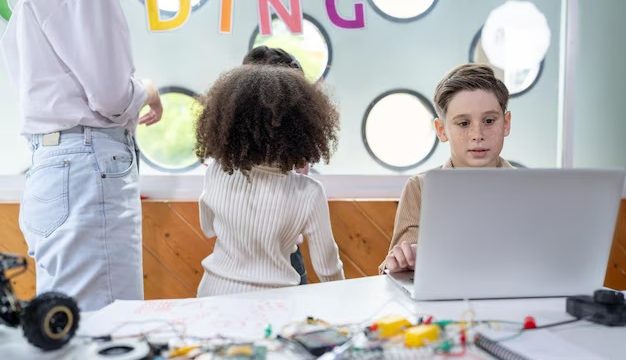
In today’s educational landscape, fostering student participation is a vital component of effective teaching.
Engaging students goes beyond just delivering content; it’s about creating a rich environment where learners feel valued and motivated to contribute.
The competencies that teachers develop can significantly influence students’ willingness to participate.
Let’s explore some essential teacher competencies that can enhance student engagement and create a more dynamic classroom experience.
Creating a welcoming atmosphere is one of the most fundamental competencies a teacher can embody. When students feel comfortable and accepted, they are more likely to express their thoughts and ideas. This warmth can manifest in various ways, from a simple smile at the door to actively showing interest in each student’s background and experiences. By fostering a sense of belonging, teachers can encourage students to take risks in their learning, whether that means answering a question in class or sharing their opinions during discussions.
Another key competency lies in the ability to communicate effectively. A teacher’s communication style can make a world of difference in how students perceive participation. It’s not just about what is said, but how it is delivered. Using clear, approachable language helps demystify complex topics and makes students feel more at ease. Additionally, employing various communication methods—such as storytelling, visual aids, or interactive discussions—can cater to different learning styles, inviting all students to engage in a way that resonates with them.
Building strong relationships with students is also crucial. When teachers take the time to know their students as individuals, they can tailor their approach to meet diverse needs. This relationship-building can take many forms—through one-on-one check-ins, informal conversations, or group activities that foster collaboration. When students know their teachers genuinely care about their well-being and success, they are more likely to participate actively in their learning journey. Relationships built on trust and respect create a safe space where students feel empowered to share their thoughts.
Another area where teachers can enhance participation is through their ability to motivate and inspire. This involves not only a passion for the subject matter but also an enthusiasm for teaching itself. A teacher’s energy can be contagious; when they express genuine excitement about a topic, students are more likely to mirror that enthusiasm. Incorporating real-world applications, relevant examples, and opportunities for exploration can ignite curiosity and encourage students to engage more deeply with the material.
An adaptable mindset is also essential for encouraging student participation. Flexibility allows teachers to respond to the ever-changing dynamics of a classroom. Each group of students is unique, and what works for one may not work for another. Being open to adjusting teaching methods based on student feedback, interests, or even the mood of the day can create a more responsive learning environment. This adaptability shows students that their voices matter and that their input shapes the learning experience.
Encouraging critical thinking is another competency that can significantly enhance student participation. When teachers pose open-ended questions and encourage students to explore different perspectives, they cultivate an environment of inquiry. This approach invites students to engage in meaningful discussions and share their insights. It also empowers them to think independently and express their opinions, fostering a deeper connection to the material and a greater investment in their learning.
Incorporating collaborative learning experiences can also significantly boost participation. Group work, peer discussions, and project-based learning provide students with opportunities to engage with their peers while learning from one another. Teachers can facilitate these experiences by creating diverse groups, assigning roles, and encouraging students to take ownership of their learning. When students collaborate, they not only learn from the content but also from each other, building a sense of community and shared responsibility.
Providing constructive feedback is essential in the journey toward improving student participation. Feedback should be timely, specific, and focused on growth. When students receive positive reinforcement for their contributions, they are more likely to continue participating. Constructive feedback that emphasizes effort and improvement can motivate students to push beyond their comfort zones. This practice helps create a culture where mistakes are seen as learning opportunities rather than failures, further encouraging students to engage.
Lastly, cultivating a growth mindset within the classroom can profoundly impact student participation. When teachers model resilience, perseverance, and a love for learning, they inspire students to adopt the same mindset. Encouraging students to view challenges as opportunities for growth fosters a more positive approach to participation. When students believe that their abilities can develop through effort and practice, they are more likely to engage actively and take risks in their learning.
As we consider the various competencies that enhance student participation, it becomes clear that the role of a teacher is multifaceted and deeply impactful. By creating a welcoming environment, communicating effectively, building relationships, motivating students, adapting to their needs, encouraging critical thinking, facilitating collaboration, providing feedback, and fostering a growth mindset, teachers can significantly improve student engagement. Each of these competencies contributes to a vibrant classroom atmosphere where students feel valued, motivated, and eager to participate.
Ultimately, the goal is to empower students to take charge of their learning journey. When teachers embody these competencies, they not only enhance participation but also cultivate a love for learning that can last a lifetime. In this way, educators play a crucial role in shaping the next generation, encouraging them to engage with the world around them, ask questions, and contribute their unique voices to the tapestry of knowledge. The journey toward improved student participation is not just about teaching; it’s about nurturing a community of learners who feel inspired to share their ideas and passions.