In the ever-evolving landscape of education, the importance of fostering collaboration in the classroom cannot be overstated.
As we navigate diverse learning environments, the role of teachers as facilitators of collaboration becomes increasingly vital.
Building a community where students feel empowered to share ideas, engage in meaningful discussions, and learn from one another is a cornerstone of effective education.
This article explores the competencies teachers can develop to enhance collaborative learning experiences in their classrooms.
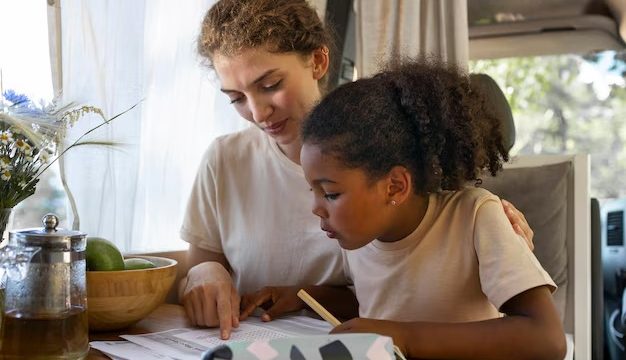
A gentle approach to communication is essential in creating a collaborative environment. Teachers who practice active listening and empathetic engagement can build trust and rapport with their students. When students feel heard and valued, they are more likely to participate openly in discussions and group activities. By fostering an atmosphere where every voice matters, teachers encourage students to express their thoughts without fear of judgment. This not only boosts confidence but also enriches the learning experience, as diverse perspectives come together to create a fuller understanding of the subject matter.
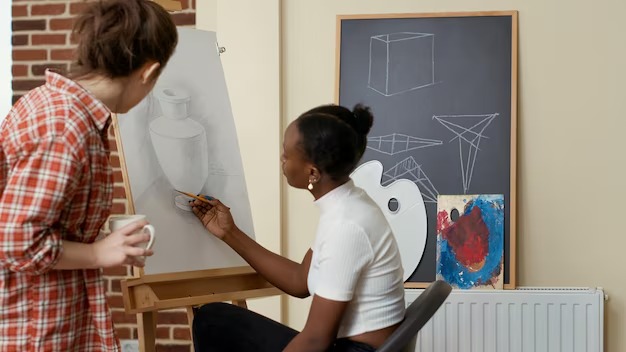
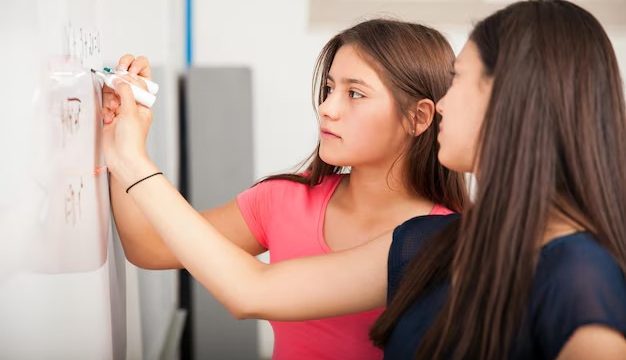
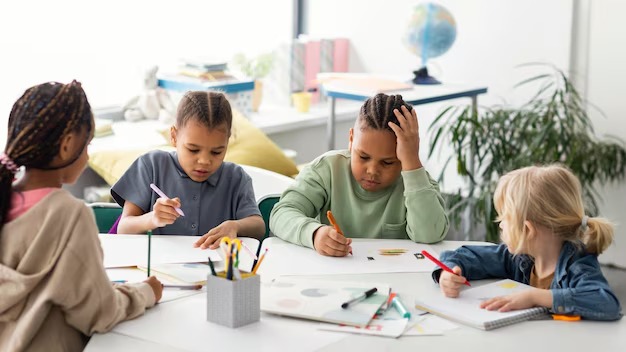
The ability to facilitate group dynamics is another key competency that enhances collaboration. Teachers who understand the nuances of group interactions can guide students through various stages of teamwork, from forming to norming and performing. Recognizing the strengths and weaknesses of individual students allows teachers to create balanced groups that capitalize on diverse skills and knowledge. By assigning roles within groups, teachers can ensure that every student contributes meaningfully, which helps to cultivate a sense of belonging and investment in the group’s success.
Creating a safe and inclusive environment is fundamental to encouraging collaboration. Teachers can achieve this by establishing clear expectations and norms for behavior in the classroom. By promoting respect and kindness, educators lay the groundwork for students to engage with one another in a constructive manner. It is also essential for teachers to be observant and responsive to the dynamics within the classroom. When conflicts arise, addressing them promptly and thoughtfully can prevent negative feelings from escalating and encourage students to resolve issues collaboratively.
A small shift toward flexibility can also enhance collaborative learning. Teachers who are open to adapting their plans based on the needs and interests of their students can foster a more engaging and responsive classroom environment. By allowing students some autonomy in how they approach projects or discussions, teachers can spark creativity and innovation. This flexibility not only empowers students but also encourages them to take ownership of their learning experience, which is a critical aspect of collaboration.
Cultivating a growth mindset among students is yet another competency that can significantly enhance collaboration. Teachers who model and promote resilience, perseverance, and a willingness to learn from mistakes create an atmosphere where students feel comfortable taking risks. When students view challenges as opportunities for growth, they are more likely to collaborate effectively. They learn to support one another through difficulties, celebrate each other’s successes, and ultimately strengthen their collective learning experience.
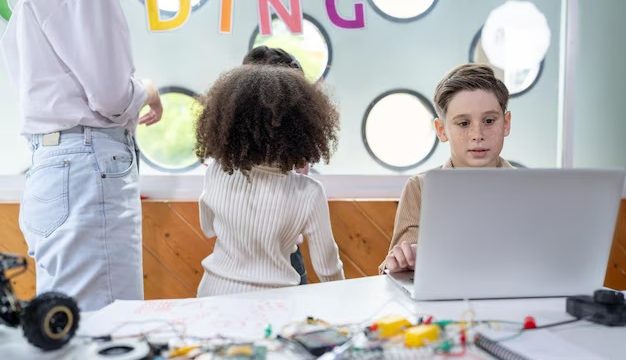
In addition to fostering a positive classroom climate, teachers can enhance collaboration by integrating technology thoughtfully into their lessons. Digital tools can facilitate communication and collaboration in ways that traditional methods may not. For instance, online platforms can provide students with the opportunity to work together on projects outside of school hours. By guiding students in the effective use of these tools, teachers can help them develop essential skills for collaboration in an increasingly digital world.
Encouraging reflection is also vital in enhancing collaborative practices. Teachers can create opportunities for students to reflect on their group experiences, discussing what worked well and what could be improved. This practice not only deepens their understanding of collaboration but also helps students develop critical thinking skills. By engaging in reflective discussions, students learn to appreciate the value of collaboration and recognize the contributions of their peers.
As teachers cultivate these competencies, they also benefit from ongoing professional development. Engaging in workshops, collaborating with colleagues, and seeking feedback can help educators refine their approaches to fostering collaboration. The journey of enhancing collaborative learning is continuous, and teachers who commit to their own growth can inspire their students to embrace the same mindset.
The impact of effective collaboration extends beyond individual classrooms; it can ripple through the entire school community. When teachers prioritize collaborative practices, they contribute to a culture of shared learning and mutual support. This not only enhances the educational experience for students but also fosters a sense of community among staff, parents, and the wider school environment.
Ultimately, the competencies that enhance collaboration in the classroom reflect a commitment to nurturing a holistic learning experience. By prioritizing communication, group dynamics, inclusivity, flexibility, a growth mindset, technology integration, and reflection, teachers can create classrooms where collaboration thrives. In doing so, they prepare students not just for academic success, but for lifelong learning and meaningful engagement in an interconnected world.
As we consider the role of teachers in shaping collaborative learning environments, it’s clear that the journey is as rewarding as the destination. The skills and competencies developed along the way not only enrich the educational experience but also contribute to the personal growth of both teachers and students. In this nurturing space, collaboration becomes a natural part of the learning process, paving the way for future generations to work together, innovate, and lead with empathy and understanding.