In the ever-evolving landscape of education, the role of a teacher extends far beyond merely delivering lessons and grading papers.
Teachers are the architects of a nurturing environment where students can explore their potential, develop their skills, and uncover their passions.
To truly inspire and cultivate this potential, educators must embody a range of competencies that resonate with their students.
The heart of effective teaching lies in building meaningful relationships. When teachers take the time to connect with their students, they create a foundation of trust and respect. This connection encourages students to express themselves freely, share their ideas, and take risks in their learning. A teacher who listens attentively and shows genuine interest in a student’s thoughts fosters a safe space where curiosity can thrive. This simple act of engagement can ignite a student’s passion for learning and pave the way for academic success.
Another vital competency is adaptability. Each student comes with a unique background, learning style, and set of challenges. A skilled teacher recognizes that a one-size-fits-all approach simply does not work. By being flexible and responsive to the diverse needs of their classroom, teachers can tailor their methods to suit individual students. This adaptability not only helps in addressing learning gaps but also empowers students to take ownership of their education. When learners feel that their specific needs are acknowledged and met, they are more likely to flourish.
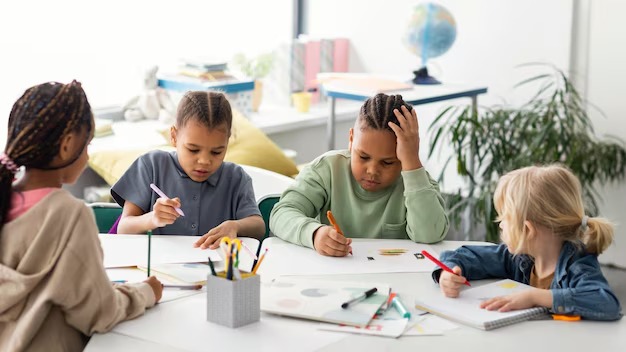
Creating an inclusive environment is equally important. Teachers who embrace diversity and promote inclusivity help students feel valued and respected, irrespective of their differences. This environment encourages collaboration and mutual respect among peers. When students see their identities reflected in the curriculum and classroom activities, they are more likely to engage deeply with the material. An inclusive classroom nurtures a sense of belonging, which is essential for students to reach their full potential.
In addition to these interpersonal skills, teachers also need to possess a strong understanding of their subject matter. Passionate educators who are knowledgeable about their content can inspire curiosity and excitement in their students. When teachers convey their enthusiasm and love for the subject, it becomes infectious. Students are more likely to engage with the material and explore topics beyond the classroom when they see their teacher’s genuine interest. This enthusiasm can turn learning into a joyful journey rather than a mere obligation.
Equally important is the ability to foster critical thinking. In today’s world, where information is abundant and often overwhelming, teaching students to think critically is essential. Competent educators encourage their students to ask questions, analyze information, and develop their own conclusions. Rather than simply imparting knowledge, these teachers guide students through the process of inquiry, helping them to become independent thinkers. This skill not only benefits academic performance but also equips students for success in life beyond school.
Nurturing resilience is another key competency for teachers. The journey of learning is often filled with challenges and setbacks. Teachers who help students develop a growth mindset encourage them to view failures as opportunities for growth. By providing support and encouragement during difficult times, educators can instill a sense of resilience in their students. This mindset empowers learners to persevere, adapt, and ultimately thrive, even when faced with obstacles.
Effective communication is also essential in enhancing student potential. Teachers who communicate clearly and effectively can break down complex ideas into understandable concepts. This clarity not only aids comprehension but also encourages students to express their thoughts and questions. An open line of communication fosters a collaborative atmosphere where students feel comfortable engaging in discussions and sharing their perspectives.
A small shift toward balance can also make a significant difference. Teachers who prioritize their well-being are better equipped to support their students. When educators practice self-care, whether through mindfulness, exercise, or simply taking time for themselves, they bring a sense of calm and stability into the classroom. This balance not only enhances their teaching effectiveness but also sets a positive example for students, encouraging them to prioritize their own well-being.
In the realm of assessment, a focus on formative feedback over punitive measures can transform the learning experience. Teachers who provide constructive feedback help students understand their strengths and areas for improvement. This approach fosters a culture of growth and learning rather than fear of failure. When students feel supported in their learning journey, they are more likely to take risks and push themselves beyond their comfort zones.
Finally, fostering a sense of community within the classroom can significantly enhance student potential. Teachers who create opportunities for collaboration and teamwork help students develop essential social skills. Encouraging students to work together on projects or engage in group discussions cultivates a sense of camaraderie. This community spirit not only enhances learning but also prepares students for future collaborative endeavors in their personal and professional lives.
In conclusion, the competencies that teachers embody play a pivotal role in bringing out the potential in their students. Through building relationships, being adaptable, promoting inclusivity, and fostering critical thinking, educators create an environment where students can flourish. By nurturing resilience, communicating effectively, and prioritizing their own well-being, teachers inspire a love for learning that lasts a lifetime. Ultimately, it is these small yet powerful competencies that can transform the educational experience, allowing students to discover their strengths and reach for their dreams. As we reflect on the impact of dedicated educators, we are reminded of the profound influence they have in shaping not just academic success, but the future of our society as a whole.