In the ever-evolving landscape of education, the role of a teacher transcends the simple act of imparting knowledge.
Instead, effective lesson facilitation has become an art form, requiring a delicate balance of various competencies that empower both educators and students.
As we explore the essential teacher competencies for effective lesson facilitation, we can appreciate how these skills create an enriching environment that fosters learning and growth.
Creating a nurturing atmosphere is at the heart of effective lesson facilitation. When students feel safe and valued, they are more likely to engage actively in their learning journeys. It’s important for teachers to cultivate a supportive classroom environment, where curiosity is encouraged and mistakes are viewed as stepping stones to understanding. This can be achieved through simple gestures, such as greeting students warmly at the beginning of class or taking the time to listen to their thoughts and concerns. These small actions can significantly enhance the trust between teacher and students, laying the foundation for a productive learning experience.
One of the key competencies for teachers is the ability to communicate effectively. Clear and concise communication not only helps to convey complex ideas but also fosters a deeper understanding among students. This involves not just speaking, but also active listening. Teachers who listen attentively are better equipped to gauge their students’ comprehension and adjust their teaching strategies accordingly. By asking open-ended questions and encouraging dialogue, educators can stimulate critical thinking and create a dynamic classroom environment where every student feels empowered to share their perspectives.
Flexibility is another vital competency. The classroom is a living, breathing entity, often filled with unexpected moments and diverse student needs. A teacher’s ability to adapt their lesson plans in response to the classroom dynamics can make all the difference. This might mean shifting gears to delve deeper into a topic that sparks interest or providing alternative resources for students who may need additional support. Embracing flexibility fosters resilience not just in teachers, but also in students, who learn to adapt and thrive in various situations.
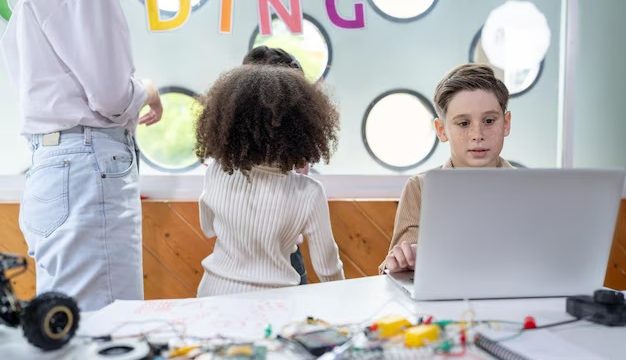
In addition to flexibility, creativity plays a significant role in lesson facilitation. Engaging students through innovative teaching methods can spark their interest and ignite a passion for learning. This could involve incorporating multimedia resources, hands-on activities, or even collaborative projects that encourage teamwork and creativity. When teachers infuse their lessons with imaginative elements, they not only capture students’ attention but also cater to varied learning styles, making the material more accessible and enjoyable.
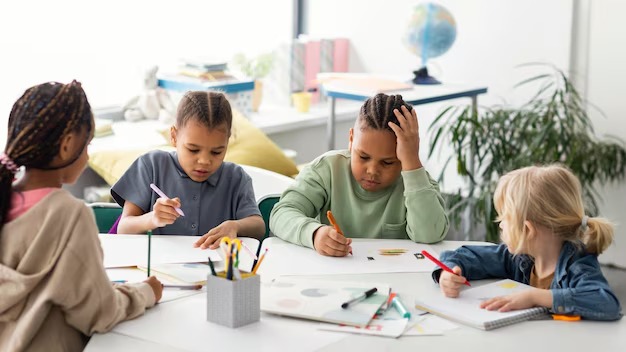
Understanding diverse learning needs is another essential competency for teachers. Each student comes with their own background, experiences, and learning styles. By recognizing these differences, educators can tailor their approaches to ensure that all students are supported. This might involve differentiating instruction, offering varied assessment methods, or providing additional resources for those who need them. Acknowledging and valuing diversity in the classroom creates an inclusive environment where every student has the opportunity to thrive.
Moreover, fostering a growth mindset is crucial in the realm of education. Teachers who model and encourage a growth mindset help students understand that abilities can be developed through dedication and hard work. This perspective not only enhances resilience but also cultivates a love for learning. By celebrating effort and progress rather than just the final outcome, educators can inspire students to embrace challenges and view failures as valuable learning opportunities.
A small shift toward balance can also enhance lesson facilitation. While it’s important to cover the curriculum, it’s equally vital to incorporate moments of reflection and mindfulness throughout the learning process. Allowing students time to pause, reflect, and internalize what they have learned can lead to deeper understanding and retention. Simple practices, such as a few moments of quiet reflection at the end of a lesson, can help students connect the dots between new knowledge and prior experiences, facilitating a more meaningful learning journey.
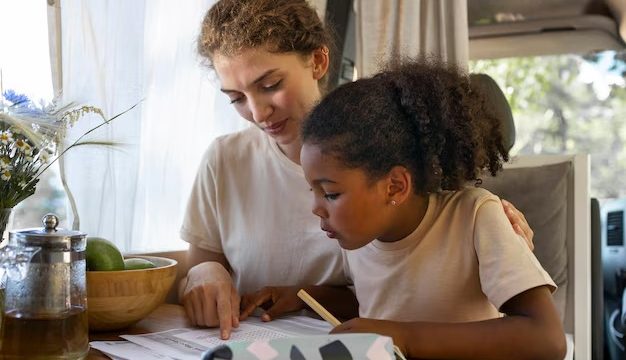
Building strong relationships with students is another cornerstone of effective lesson facilitation. When teachers take the time to connect with their students on a personal level, they create a sense of belonging that enhances the educational experience. This can involve learning about students’ interests, engaging in casual conversations, or simply being present and available when they need guidance. Strong relationships foster mutual respect and create a positive classroom culture where students feel motivated to participate actively.
Assessment and feedback are also integral components of effective lesson facilitation. Teachers who provide constructive feedback help students understand their strengths and areas for improvement. This ongoing dialogue not only guides students in their learning but also encourages self-reflection and personal growth. By framing feedback as a tool for development rather than criticism, teachers can help cultivate a positive attitude toward learning and improvement.
Lastly, a commitment to professional development is essential for teachers striving for excellence in lesson facilitation. The education field is constantly evolving, and staying informed about new teaching strategies, technologies, and research can greatly enhance a teacher’s effectiveness. Engaging in workshops, collaborating with colleagues, and seeking out new resources can open doors to innovative practices that benefit both educators and students.
In conclusion, effective lesson facilitation is a multifaceted endeavor that requires a range of competencies from teachers. By creating a nurturing atmosphere, communicating clearly, embracing flexibility and creativity, understanding diverse learning needs, fostering a growth mindset, and building strong relationships, educators can profoundly impact their students’ learning experiences. A commitment to continuous improvement and professional development further enhances these competencies, ensuring that teachers remain effective guides on their students’ journeys. With these skills in hand, teachers can inspire curiosity, ignite passion, and nurture lifelong learners in an ever-changing world.