In the vibrant world of education, teachers play a pivotal role in shaping not only the academic success of their students but also their social and emotional well-being.
The influence of a teacher extends far beyond the classroom, creating a ripple effect that can foster positive behavior among students.
Understanding the competencies that encourage this positive behavior is essential for creating an enriching educational environment.
A nurturing approach to relationships
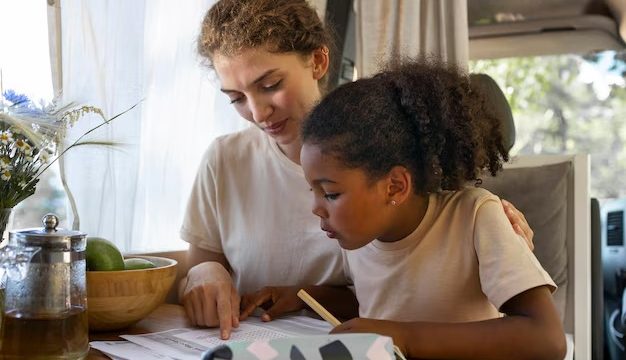
At the heart of effective teaching lies the ability to build strong, trusting relationships with students. When teachers invest time in getting to know their students—understanding their interests, backgrounds, and challenges—they create a sense of belonging in the classroom. This connection fosters an environment where students feel safe to express themselves and take risks in their learning.
It’s important for teachers to demonstrate empathy and active listening. By acknowledging the feelings and concerns of their students, teachers can validate their experiences and foster open communication. This creates a supportive atmosphere where students are more likely to engage positively, knowing that their voices are heard and valued.
A focus on emotional intelligence
Emotional intelligence is a key competency that can significantly enhance a teacher’s effectiveness. Teachers with high emotional intelligence are adept at recognizing their own emotions and those of their students. This awareness allows them to respond thoughtfully rather than react impulsively, especially in challenging situations.
Integrating emotional intelligence into the classroom can lead to improved behavior among students. Teachers can model self-regulation and coping strategies, demonstrating how to manage emotions in a constructive way. By teaching students to identify and express their feelings appropriately, teachers help cultivate an environment where positive behavior can flourish.
Encouraging a growth mindset
Another essential competency is the ability to foster a growth mindset among students. When teachers encourage the belief that abilities and intelligence can be developed through dedication and effort, they empower students to embrace challenges and learn from failures. This approach not only encourages resilience but also promotes a positive classroom culture.
Teachers can support a growth mindset by celebrating effort and progress rather than just achievement. By providing constructive feedback and helping students set realistic goals, teachers inspire a love for learning. When students feel that their efforts are acknowledged, they are more likely to engage positively and support one another in their learning journeys.
Creating an inclusive environment
Inclusivity is a cornerstone of positive behavior in the classroom. Teachers who demonstrate cultural competence and sensitivity create an environment where all students feel valued and respected. This means recognizing the diverse backgrounds and experiences of each student and integrating this understanding into teaching practices.
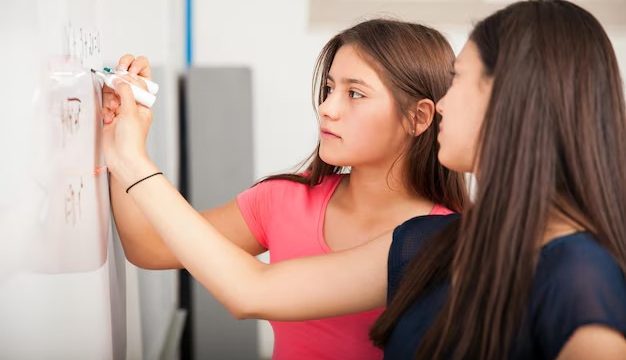
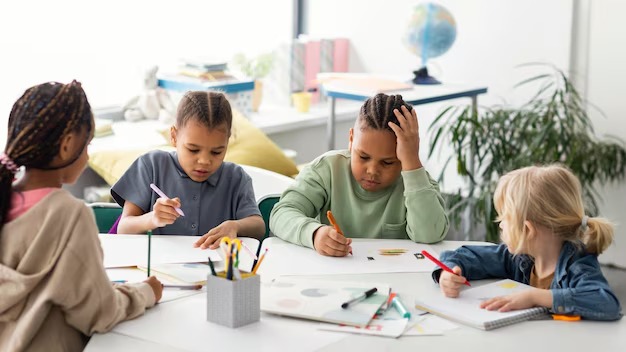
In an inclusive classroom, teachers encourage collaboration and respect for differences. By facilitating group activities that promote teamwork and understanding, teachers help students learn from one another. This not only enhances social skills but also builds a sense of community, where positive behavior is the norm.
Promoting positive reinforcement
Positive reinforcement is a powerful tool in shaping behavior. Teachers who recognize and celebrate positive actions encourage students to repeat those behaviors. This can be as simple as verbal praise, a note of encouragement, or a classroom recognition system.
When positive behavior is acknowledged, it sets a tone for the entire classroom. Students begin to see the benefits of cooperation, kindness, and respect. By consistently reinforcing these behaviors, teachers create a culture that values positivity and fosters an environment conducive to learning.
Engaging families and communities
The role of families and communities in education cannot be overstated. Teachers who engage with parents and guardians create a support system that extends beyond the classroom walls. Communication with families helps to ensure that students receive consistent messages about behavior and expectations.
Inviting families to participate in classroom activities or school events fosters a sense of community and partnership. When families and teachers work together, they create a unified approach to encouraging positive behavior, reinforcing the importance of respect and responsibility both at home and in school.
Maintaining a calm classroom environment
The physical and emotional atmosphere of the classroom can significantly influence student behavior. Teachers who create a calm and organized environment help students feel secure and focused. This includes establishing clear routines and expectations, which can reduce anxiety and uncertainty.
Incorporating mindfulness practices into the daily routine can also promote a tranquil classroom atmosphere. Simple techniques like deep breathing exercises or brief moments of reflection can help students center themselves and approach their work with a clear mind. When students feel calm, they are more likely to engage positively with their peers and teachers.
Fostering collaboration and teamwork
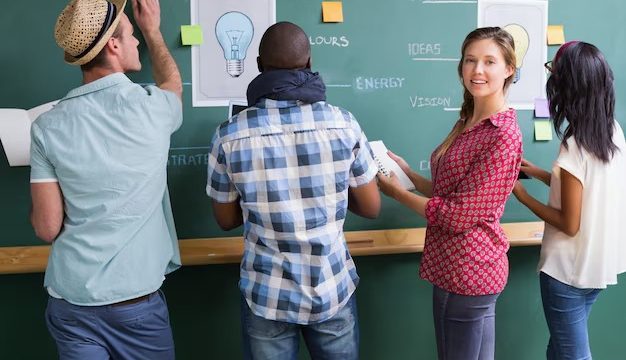
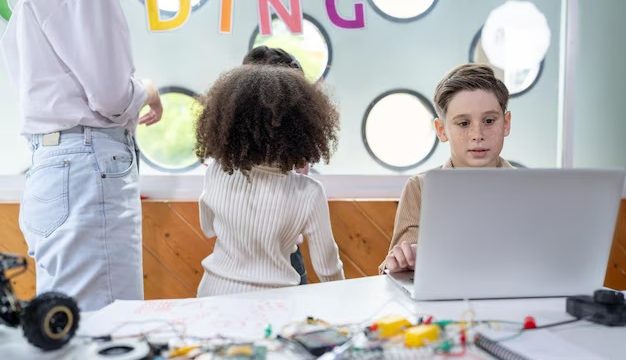
Collaboration is a vital skill that students need for success beyond the classroom. Teachers who encourage teamwork help students learn to communicate effectively, resolve conflicts, and appreciate diverse perspectives. By incorporating group projects and cooperative learning experiences, teachers not only enhance academic learning but also promote social skills.
When students work together, they learn to rely on one another and celebrate each other’s strengths. This collaborative spirit nurtures a sense of belonging and mutual respect, reinforcing positive behavior throughout the classroom.
Encouraging self-reflection
Self-reflection is an essential competency that helps students become aware of their actions and their impact on others. Teachers who encourage self-reflection foster a culture of accountability and personal growth. Activities such as journaling or guided discussions can help students explore their thoughts and feelings.
By promoting self-reflection, teachers empower students to take responsibility for their behavior and choices. This practice not only enhances self-awareness but also cultivates empathy, as students learn to consider the perspectives of their peers.
As we navigate the rich landscape of education, it becomes clear that the competencies of teachers play a significant role in shaping positive behavior among students. By building strong relationships, fostering emotional intelligence, and creating an inclusive environment, teachers can inspire a culture of respect and cooperation. These efforts not only enhance the educational experience but also prepare students to thrive in a diverse and interconnected world. With each small step toward fostering positivity, teachers contribute to a brighter future for their students and the communities they serve.