In an ever-evolving world, the role of a teacher extends far beyond the mere transmission of knowledge.
Today’s educators are tasked with nurturing not only the intellect but also the character of their students.
A vital competency in this journey is the ability to encourage open-minded thinking.
This quality fosters a classroom environment where curiosity thrives, and diverse perspectives are valued.
Understanding the essence of open-mindedness is the first step in cultivating it within students. Open-minded thinking involves more than just accepting differing opinions; it’s about engaging with them thoughtfully. This means encouraging students to explore new ideas, challenge their own beliefs, and appreciate the rich tapestry of human experience. For teachers, this process begins with self-reflection and a commitment to their own open-mindedness.
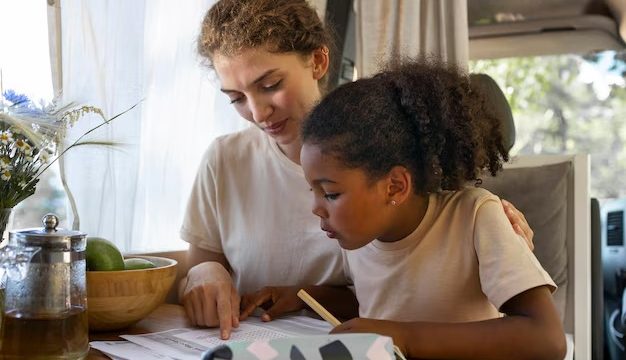
A gentle approach to fostering open-mindedness can take various forms in the classroom. One effective method is to model curiosity. When teachers demonstrate a willingness to learn alongside their students, they create a safe space for inquiry. Sharing personal experiences of learning from mistakes or changing one’s mind about a topic can inspire students to embrace their own learning journeys. This openness not only strengthens the teacher-student bond but also sets a tone of trust and respect.
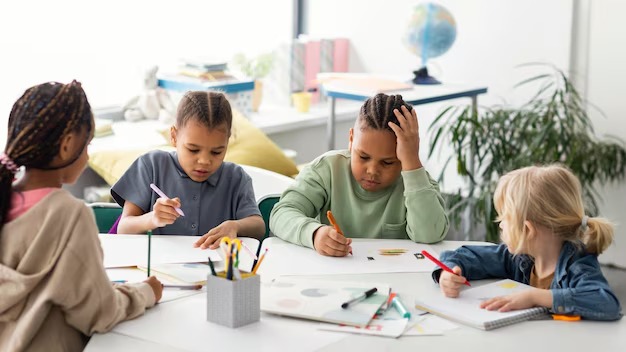
Creating an inclusive environment is another essential aspect of nurturing open-minded thinking. When students feel that their voices matter, they are more likely to engage in meaningful discussions. Teachers can facilitate this by encouraging participation from all students, particularly those who may be hesitant to share their opinions. Simple gestures, such as inviting quieter students to contribute or using diverse materials that reflect a range of cultures and perspectives, can make a significant difference.
A small shift toward balance can also be achieved through the careful selection of classroom materials and discussion topics. Introducing literature, history, and art from various cultures not only broadens students’ horizons but also invites them to explore viewpoints different from their own. This exposure encourages empathy, as students learn to see the world through others’ eyes. By fostering a curriculum rich in diversity, teachers can ignite curiosity and promote respectful dialogue.
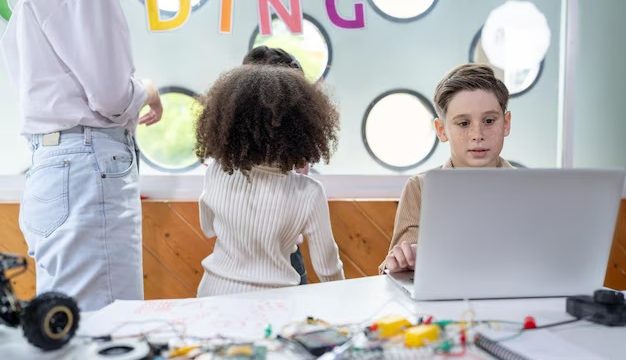
Incorporating collaborative learning experiences is another powerful way to encourage open-mindedness. Group projects and discussions allow students to work together, share ideas, and learn from one another. As they navigate differing opinions, students practice the skills of active listening and constructive feedback. Teachers can guide these interactions by setting ground rules for respectful communication, emphasizing the importance of valuing each contribution, regardless of differing viewpoints.
Encouraging critical thinking is also fundamental in this endeavor. Teachers can prompt students to ask questions that dig deeper into subject matter. Instead of simply seeking the right answer, students can be encouraged to explore the ‘why’ and ‘how’ behind concepts. This not only enhances their understanding but also nurtures an inquisitive mindset. Open-ended questions can serve as gateways to richer discussions, allowing students to express their thoughts while considering alternative perspectives.
As educators, it is essential to acknowledge the challenges that may arise when fostering open-mindedness. Some students may feel threatened by differing opinions or struggle with the idea of re-evaluating their beliefs. During these moments, patience and understanding are key. Teachers can provide support by validating students’ feelings while gently encouraging them to explore beyond their comfort zones. Creating opportunities for dialogue about these challenges can also be beneficial, as it reinforces the idea that growth often occurs when we step outside familiar territories.
The role of feedback in this process cannot be understated. Offering constructive feedback encourages students to reflect on their thinking and consider new viewpoints. Teachers should strive to create a feedback-rich environment where students feel comfortable sharing their ideas and receiving guidance. This not only aids in personal growth but also reinforces the value of diverse perspectives within the learning community.
It is also important to integrate moments of reflection into the learning experience. Encouraging students to think about their learning processes and the evolution of their thoughts can deepen their understanding of open-mindedness. Reflection can be as simple as journaling or participating in group discussions about what they have learned from differing opinions. These moments can help solidify the lessons learned and encourage students to carry open-minded thinking into their everyday lives.
Ultimately, the journey toward fostering open-minded thinking in the classroom is a shared endeavor. Teachers, students, and the broader community all play a role in creating an environment where curiosity, respect, and empathy flourish. As educators embrace their own open-mindedness, they empower students to do the same, nurturing a generation that is not only knowledgeable but also compassionate and understanding.
The impact of encouraging open-minded thinking extends far beyond the classroom walls. In a world that increasingly values diversity and inclusion, these competencies are essential life skills. By equipping students with the tools to think openly and critically, teachers are not only preparing them for academic success but also for meaningful engagement in a complex, interconnected world.
In conclusion, the journey to foster open-minded thinking is one of mutual growth and discovery. By embodying curiosity, creating an inclusive environment, promoting collaboration, and encouraging reflection, teachers can inspire students to embrace diverse perspectives. In doing so, they contribute to the cultivation of a more thoughtful, empathetic society. As we continue to navigate the challenges of our times, the importance of open-mindedness in education has never been more vital.