In a world where conversations often feel rushed or contentious, the role of a teacher as a guide for constructive discussions is more pivotal than ever.
Creating an environment where students feel safe to express their thoughts and ideas can foster deeper understanding and collaboration.
This delicate balance requires a set of competencies that can be cultivated over time, allowing educators to become effective facilitators of dialogue.
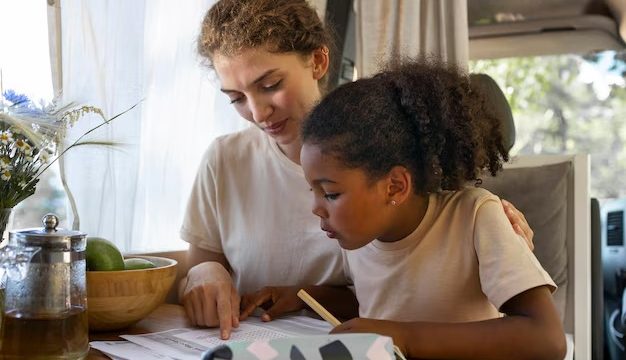
The essence of guiding constructive discussions lies in the ability to listen deeply. When teachers actively listen to their students, they not only validate their contributions but also model the behavior they wish to see. This creates a ripple effect, encouraging students to engage with one another in a more thoughtful and respectful manner. Listening is not merely hearing words; it is about understanding the emotions and intentions behind them. This skill can transform a typical classroom discussion into a rich tapestry of perspectives, where students feel empowered to share their thoughts without fear of judgment.
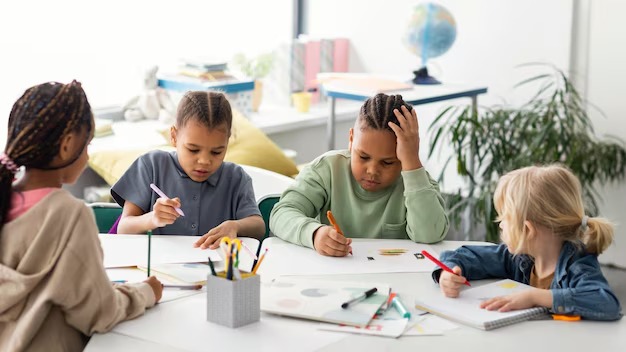
Creating a space for open dialogue is another crucial competency. Teachers can do this by establishing ground rules that promote respect and understanding. By setting the tone early on, educators can help students navigate disagreements with grace, teaching them that differing opinions can coexist. This involves not only encouraging students to voice their thoughts but also guiding them on how to respond to others’ ideas. It is a gentle reminder that discussions are not competitions to win but opportunities for growth and learning.
A small shift toward balance can make a significant difference in how discussions unfold. Teachers can facilitate this by being conscious of their own contributions, ensuring they do not dominate the conversation. Instead, they can pose open-ended questions that invite students to explore topics more deeply. This approach encourages a more democratic environment where every voice has a chance to shine. By stepping back, teachers empower their students, fostering a sense of ownership over the discussion.
Empathy is a cornerstone of constructive discussions. Teachers who demonstrate empathy can create a nurturing environment that encourages students to express their thoughts and feelings honestly. By acknowledging the diverse backgrounds and experiences of their students, educators can help foster a sense of community where everyone feels valued. This not only enhances the quality of discussions but also promotes a culture of understanding and compassion among peers.
In addition to empathy, fostering critical thinking skills is essential for guiding discussions. Teachers can encourage students to analyze different viewpoints and challenge assumptions in a respectful manner. By introducing thought-provoking questions and scenarios, educators can inspire students to think critically about the issues at hand. This practice not only enriches discussions but also equips students with the skills they need to navigate complex topics in the future.
Flexibility is another vital competency for teachers guiding discussions. Every classroom is unique, and discussions can take unexpected turns. Being adaptable allows educators to respond to the needs of their students in real-time. If a conversation veers off course, a teacher can gently redirect it while still honoring the students’ contributions. This responsiveness can help maintain engagement and ensure that discussions remain constructive and focused.
Encouraging inclusivity is equally important. Teachers can create an atmosphere where every student feels they belong, regardless of their background or opinions. This can be achieved by actively seeking out quieter students and inviting them into the conversation. When everyone feels included, the discussion becomes richer and more varied, allowing for a broader spectrum of ideas and perspectives.
Another key aspect of guiding discussions is the ability to remain neutral. Teachers can model impartiality by refraining from expressing their own opinions during discussions. This helps create a safe space for students to explore their thoughts without feeling pressured to align with any particular viewpoint. When students see that their teacher values all perspectives, they are more likely to express their own ideas with confidence.
As discussions unfold, it is essential for teachers to recognize and address conflicts when they arise. Conflict is a natural part of any dialogue, but how it is managed can significantly impact the learning experience. By approaching conflicts with a calm demeanor and guiding students through resolution, teachers can demonstrate the importance of respectful disagreement. This not only helps students develop conflict resolution skills but also reinforces the idea that differing opinions can lead to constructive outcomes.
Reflecting on discussions after they conclude can also enhance the learning experience. Teachers can encourage students to think about what went well and what could be improved. This reflection not only reinforces the competencies learned during the discussion but also helps students develop metacognitive skills. By thinking critically about their own contributions and the overall group dynamics, students can grow as both individuals and collaborators.
Ultimately, guiding constructive discussions is a multifaceted endeavor that requires a blend of competencies. Through active listening, empathy, critical thinking, and inclusivity, teachers can create a nurturing environment where students feel empowered to engage in meaningful dialogue. The ripple effects of these discussions extend beyond the classroom, shaping students into thoughtful, compassionate individuals who can navigate complex conversations throughout their lives.
As educators continue to hone these competencies, they not only enrich their own teaching practices but also contribute to a more harmonious and understanding world. In a society that thrives on connection and collaboration, the role of teachers as facilitators of constructive discussions is invaluable, helping to cultivate a generation that values dialogue over discord. With patience and practice, every teacher can become a beacon of constructive conversation, guiding their students toward a brighter, more inclusive future.