In our fast-paced world, the importance of foundational skills in education cannot be overstated.
These skills form the bedrock of lifelong learning, influencing everything from academic success to personal development.
By focusing on teaching outcomes that reinforce these essential skills, educators can create an environment that nurtures growth, curiosity, and resilience in students.
The journey of learning begins with the basics.
Foundational skills encompass a broad range of competencies, including literacy, numeracy, critical thinking, and social-emotional skills. These skills are not merely academic; they are life skills that help individuals navigate the complexities of daily life. When we prioritize these outcomes in education, we empower students not just to succeed in school but to thrive in their personal and professional lives.
Creating a nurturing learning environment is key to reinforcing foundational skills. This environment should feel safe and welcoming, encouraging students to express themselves freely. When learners feel comfortable, they are more likely to engage deeply with the material, ask questions, and explore new ideas. This sense of safety fosters a growth mindset, where mistakes are viewed as opportunities for learning rather than setbacks.
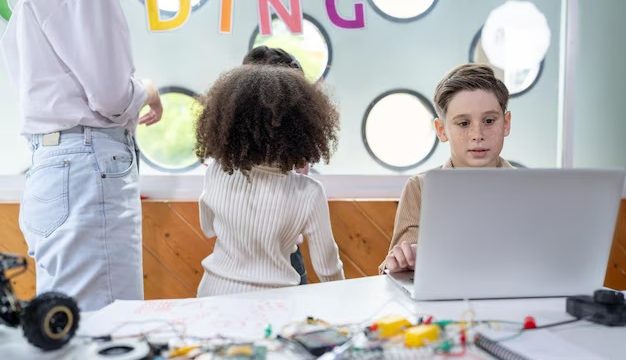
One effective approach to teaching foundational skills is through experiential learning. This method encourages students to learn by doing, allowing them to apply their knowledge in real-world situations. For instance, a lesson on mathematics can be transformed into a fun project where students plan a small event or budget for a class trip. By engaging in practical applications of their skills, students can see the relevance of what they are learning, making the experience more meaningful and memorable.
Incorporating storytelling into lessons is another way to strengthen foundational skills. Stories capture attention and imagination, making complex concepts easier to grasp. When students hear stories that illustrate key principles, they are more likely to internalize those lessons. Furthermore, storytelling fosters empathy and social awareness, essential components of emotional intelligence. By connecting with characters and narratives, students develop a deeper understanding of themselves and others.
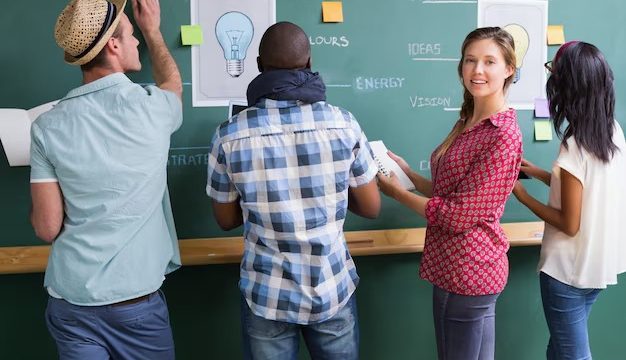
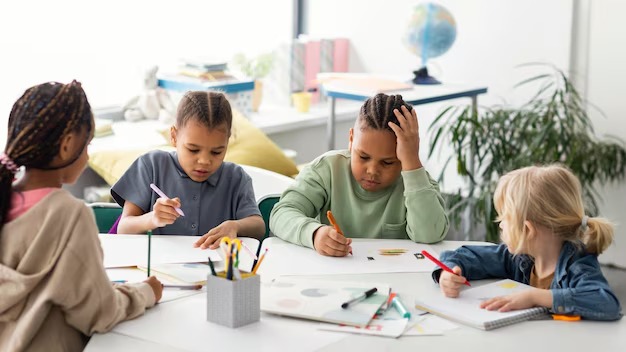
Fostering collaboration among students also plays a significant role in reinforcing foundational skills. Group work encourages communication, teamwork, and problem-solving. When students collaborate, they learn to listen to different perspectives, negotiate differences, and work towards a common goal. These interactions not only enhance their academic skills but also build social competencies that are vital in today’s interconnected world.
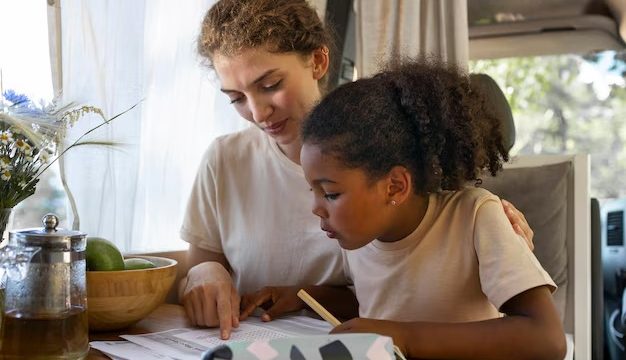
As we consider the various ways to strengthen foundational skills, it is essential to recognize the role of educators as facilitators of learning. Teachers are not just providers of knowledge; they are mentors who guide students on their educational journeys. By adopting a student-centered approach, educators can tailor their teaching methods to meet the unique needs of each learner. This personalized attention helps students feel valued and understood, further motivating them to engage with the material.
Assessment plays a crucial role in understanding how well foundational skills are being developed. However, assessments should go beyond standardized tests. They should encompass a variety of methods, including observations, self-assessments, and project-based evaluations. This holistic approach allows educators to gain a comprehensive understanding of each student’s strengths and areas for growth. Additionally, it encourages students to take ownership of their learning, promoting a sense of agency and responsibility.
The impact of a supportive community cannot be overlooked in the pursuit of strengthening foundational skills. Families, educators, and the broader community must work together to create a cohesive support system. Open communication between home and school fosters a shared commitment to student success. When families are engaged in their children’s education, students are more likely to flourish. Community programs that provide additional resources and support can further enhance learning opportunities, helping students build essential skills outside of the classroom.
As we reflect on the significance of foundational skills, it’s clear that they are not confined to early education. Lifelong learning is a journey that extends well beyond the classroom walls. Adults, too, benefit from continually developing these skills. Whether it’s through professional development, adult education programs, or community workshops, the pursuit of knowledge should be a lifelong endeavor. By modeling a love for learning, adults can inspire younger generations to embrace education as a pathway to personal and professional fulfillment.
Ultimately, the goal of education should be to cultivate individuals who are not only knowledgeable but also compassionate, resilient, and adaptable. By focusing on teaching outcomes that strengthen foundational skills, we can create a generation of learners who are equipped to face the challenges of the future. This holistic approach to education fosters well-rounded individuals who can contribute positively to society.
In conclusion, teaching outcomes that prioritize foundational skills are essential for nurturing capable and confident learners. By creating a supportive environment, utilizing experiential learning, incorporating storytelling, fostering collaboration, and engaging the community, we can instill these vital skills in our students. The journey of learning is a beautiful and transformative experience, and by emphasizing the importance of foundational skills, we can help shape a brighter future for all. Through patience, encouragement, and a shared commitment to growth, we can inspire the next generation to reach their fullest potential.