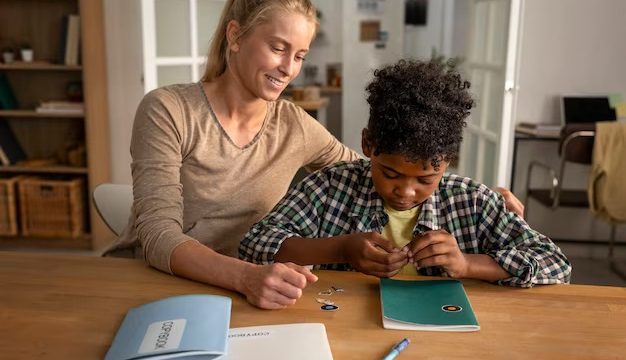
In the vibrant world of education, the role of a teacher goes beyond simply imparting knowledge.
It’s about creating an environment where students feel encouraged, engaged, and empowered to participate actively in their learning journey.
As we navigate the complexities of modern classrooms, understanding the competencies that foster this active participation becomes essential.
A gentle approach to connection
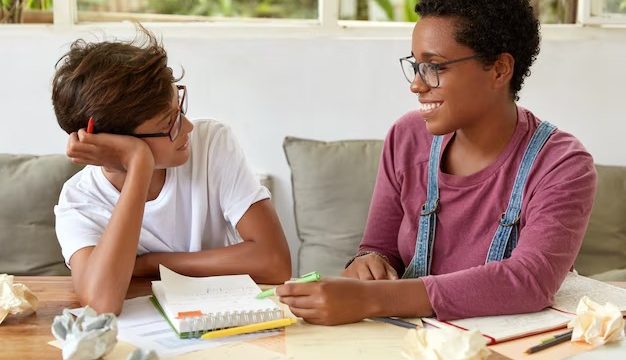
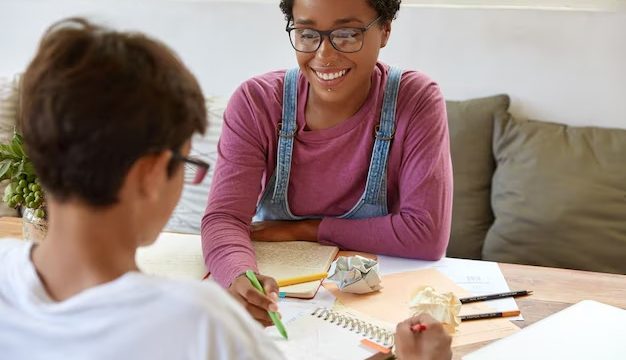
At the heart of effective teaching lies the ability to connect with students on a personal level. This connection is not merely about knowing their names or interests; it’s about recognizing their individual strengths, challenges, and learning styles. When teachers take the time to build relationships, students feel valued and understood, which creates a safe space for them to express their thoughts and ideas.
Teachers can cultivate this connection by engaging in active listening. This means being present in the moment, showing genuine interest in what students have to say, and responding thoughtfully. When students see their teachers taking the time to listen, they are more likely to reciprocate with enthusiasm and involvement in classroom discussions.
Fostering an inclusive environment
An inclusive classroom is one where every student feels they belong. Teachers play a crucial role in creating this environment by being mindful of diverse backgrounds and experiences. Recognizing that each student brings a unique perspective can enrich classroom discussions and foster a sense of community.
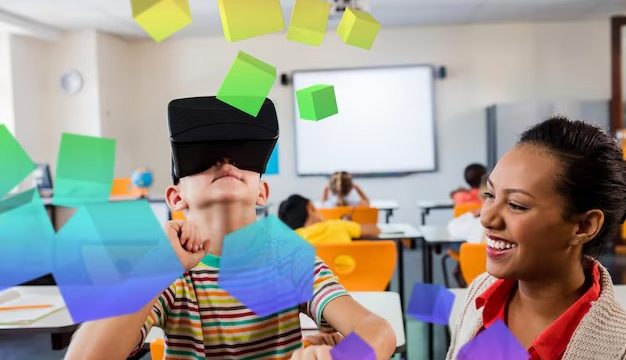
To promote inclusivity, teachers can incorporate a variety of teaching strategies that cater to different learning styles. Whether through visual aids, hands-on activities, or group discussions, providing multiple avenues for participation ensures that every student has the opportunity to engage in a way that resonates with them. This not only enhances learning but also encourages students to share their insights, knowing they are appreciated for their unique contributions.
Encouraging critical thinking
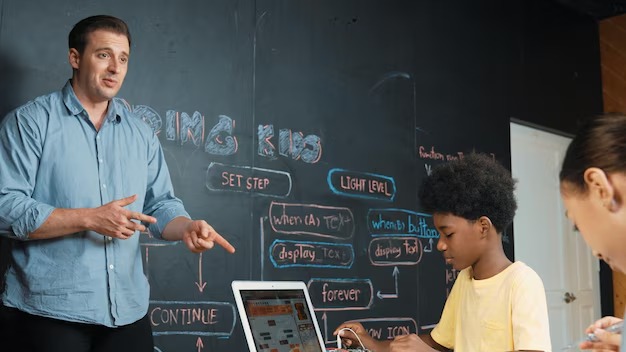
Another vital competency for teachers is the ability to nurture critical thinking skills in their students. When students are encouraged to think critically, they become more invested in their learning. This can be achieved by posing open-ended questions that stimulate discussion and reflection. Instead of simply providing answers, teachers can guide students to explore various perspectives and develop their own viewpoints.
Creating a classroom culture that values inquiry allows students to feel more comfortable sharing their thoughts, even if they differ from their peers. This not only promotes active participation but also helps students learn the importance of respectful dialogue and collaboration. As they engage in meaningful discussions, they develop a deeper understanding of the subject matter and hone their ability to articulate their ideas.
A small shift toward balance
Finding the right balance between guidance and autonomy is another crucial aspect of fostering active participation. While teachers are responsible for steering the learning process, allowing students to take ownership of their education can be transformative. This can be achieved by giving students choices in their assignments or projects, which can lead to increased motivation and engagement.
When students feel they have a say in their learning, they are more likely to participate actively. Teachers can support this autonomy by providing constructive feedback and encouragement, helping students navigate challenges while celebrating their successes. This balanced approach fosters a sense of responsibility and pride in their work, further enhancing their participation in the classroom.
Building a supportive community
Creating a supportive classroom community is essential for encouraging active student participation. When students feel they are part of a team that values collaboration and respect, they are more likely to engage with one another and contribute to group discussions. Teachers can facilitate this sense of community by establishing norms that promote kindness, empathy, and cooperation.
One way to build this supportive atmosphere is through team-building activities that encourage students to work together toward common goals. These activities not only strengthen relationships among peers but also allow students to practice essential social skills, such as communication and conflict resolution. As they learn to support one another, students become more willing to participate and share their ideas without fear of judgment.
Encouraging self-reflection
Another key competency for teachers is the ability to promote self-reflection among students. Encouraging students to think about their learning experiences helps them develop a deeper understanding of their strengths and areas for growth. This can be achieved through reflective journaling, group discussions, or individual conferences where students can articulate their thoughts about their progress and challenges.
When students engage in self-reflection, they become more aware of their learning processes and are better equipped to identify the strategies that work best for them. This awareness fosters a sense of ownership over their education, making them more likely to participate actively in classroom activities. Teachers can support this journey by providing guidance and encouragement, helping students set realistic goals and celebrate their achievements along the way.
The power of positive reinforcement
Positive reinforcement is a powerful tool in encouraging active participation. When teachers acknowledge and celebrate student contributions, it reinforces the behavior they wish to see more of. Simple gestures like verbal praise, acknowledgment of effort, or showcasing student work can have a profound impact on motivation and engagement.
Creating a culture of positivity not only boosts individual confidence but also inspires others to participate. When students see their peers being recognized for their efforts, they are more likely to join in, knowing that their contributions will also be valued. This creates a ripple effect, transforming the classroom into a dynamic space where everyone feels encouraged to share their voices.
In conclusion, the competencies that teachers develop to foster active student participation are essential for creating a vibrant learning environment. By building connections, promoting inclusivity, nurturing critical thinking, and encouraging self-reflection, educators can empower students to take an active role in their education. As teachers embrace these competencies, they not only enhance individual learning experiences but also cultivate a community of engaged, motivated learners ready to explore the world together.