In the ever-evolving landscape of education, the role of a teacher is continuously reshaped by new methodologies and technologies.
As classrooms transform, so too must the competencies of those who guide students.
Adapting to new teaching methods is not merely about embracing the latest trends; it involves a deeper understanding of the needs of students and the environments in which they learn.
A gentle evolution of understanding
At the core of effective teaching lies a profound understanding of pedagogy. Teachers are not just conveyors of knowledge; they are facilitators of learning experiences. With the rise of blended learning, online platforms, and personalized education, it becomes essential for educators to develop a robust grasp of diverse teaching methodologies. This understanding helps them create engaging lessons that resonate with students, regardless of the medium through which instruction occurs.
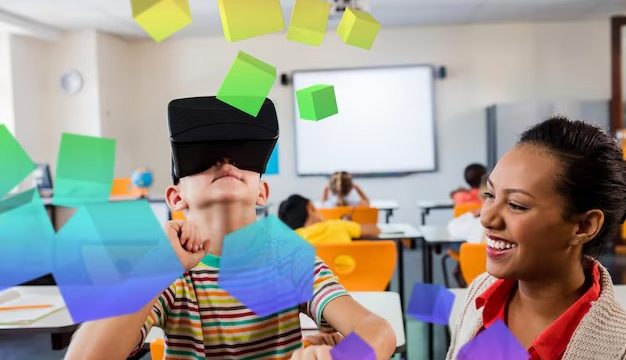
One key competency that has emerged is the ability to integrate technology seamlessly into the learning process. Today’s classrooms often feature digital tools that can enhance learning. Teachers who are comfortable with technology can utilize interactive platforms, educational apps, and virtual simulations to enrich their teaching. This technological fluency fosters a more dynamic environment where students can engage actively, moving beyond passive consumption of information to becoming active participants in their learning journey.
Building connections and relationships
Another crucial competency in the modern educational landscape is the ability to foster strong relationships with students. In an age where many interactions occur through screens, the personal touch can make all the difference. Teachers who prioritize emotional intelligence can create welcoming spaces where students feel safe and valued. This connection encourages open communication, allowing students to express their thoughts and feelings freely.
As educators adapt to new teaching methods, they must remain attuned to the diverse backgrounds and experiences of their students. Cultivating cultural competency enables teachers to appreciate and honor the unique perspectives that each student brings to the classroom. By embracing diversity, educators can create inclusive environments that celebrate differences and promote understanding. This approach not only enriches the learning experience but also prepares students to thrive in an increasingly interconnected world.
A small shift toward balance
With the demands of modern teaching, it’s easy to become overwhelmed. Teachers often juggle lesson planning, classroom management, and administrative duties, all while striving to meet the individual needs of their students. A crucial competency in this context is the ability to maintain balance and prioritize self-care. When teachers take the time to care for their own well-being, they are better equipped to support their students.
Mindfulness practices, such as taking moments for reflection or engaging in stress-reducing activities, can help educators recharge. This not only enhances their own resilience but also sets a positive example for students. By modeling healthy coping strategies, teachers can empower students to navigate their own challenges, fostering a community of mutual support.
Embracing lifelong learning
In a world that is constantly changing, the commitment to lifelong learning is perhaps one of the most vital competencies for teachers. As new research emerges and educational practices evolve, educators must be willing to adapt. This may involve pursuing professional development opportunities, attending workshops, or collaborating with colleagues to share insights and best practices.
By embracing a mindset of growth, teachers can inspire their students to adopt similar attitudes toward learning. When students see their teachers as learners, they are more likely to view challenges as opportunities for growth rather than obstacles. This shared journey of discovery cultivates a classroom culture that values curiosity and resilience.
Creating engaging learning environments
As teaching methods become more varied, the ability to create engaging and adaptable learning environments is essential. Teachers must think creatively about how to design lessons that accommodate different learning styles and preferences. This may involve incorporating project-based learning, hands-on activities, or collaborative group work.
An important aspect of this competency is the ability to foster a sense of agency in students. When learners feel empowered to take ownership of their education, they are more likely to engage deeply with the material. Encouraging student voice and choice not only enhances motivation but also cultivates critical thinking skills that will serve them well beyond the classroom.
Collaboration and community involvement
In today’s educational landscape, collaboration is key. Teachers are encouraged to work together, sharing ideas and resources to enhance their practice. Building a network of support among colleagues not only enriches individual teaching but also contributes to a more vibrant school culture.
Moreover, involving families and the wider community in the educational process strengthens the learning experience. When teachers reach out to parents and community members, they create a collaborative environment that supports student learning. This connection fosters a sense of belonging and reinforces the idea that education is a shared journey.
A hopeful outlook on the future
As we look ahead, the competencies required for teachers will continue to evolve. However, the heart of effective teaching remains constant: a genuine passion for nurturing the minds and hearts of students. By embracing adaptability, emotional intelligence, and a commitment to lifelong learning, educators can navigate the changing landscape with confidence.
In a world where educational practices are in constant flux, the most successful teachers will be those who cultivate their competencies with care and intention. They will create classrooms that are not only places of learning but also communities of support, growth, and inspiration. Ultimately, it is this dedication to fostering meaningful connections and nurturing curiosity that will empower the next generation of learners to thrive in an ever-changing world.