Creating a respectful classroom environment is essential for fostering learning and personal growth.
Teachers play a pivotal role in shaping the dynamics of their classrooms, and their competencies can significantly influence how students interact with one another and with the curriculum.
In this article, we will explore some key teacher competencies that contribute to a respectful and harmonious classroom atmosphere.
A foundation of understanding
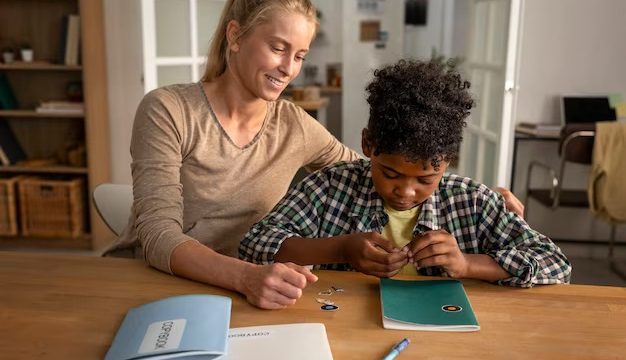
At the heart of a respectful classroom is a teacher’s ability to understand their students. This goes beyond simply knowing their names and academic levels; it involves recognizing their individual backgrounds, cultures, and personal experiences. When teachers take the time to learn about the diverse identities of their students, they create an inclusive environment where everyone feels valued. This understanding fosters trust, allowing students to express themselves freely without fear of judgment.
Empathy serves as a cornerstone in this understanding. When teachers demonstrate empathy, they acknowledge the feelings and perspectives of their students. This can be as simple as checking in with a student who seems withdrawn or offering support to those facing challenges. By creating a safe space for students to share their thoughts and emotions, teachers encourage open dialogue, which is essential for mutual respect.
Modeling respectful behavior
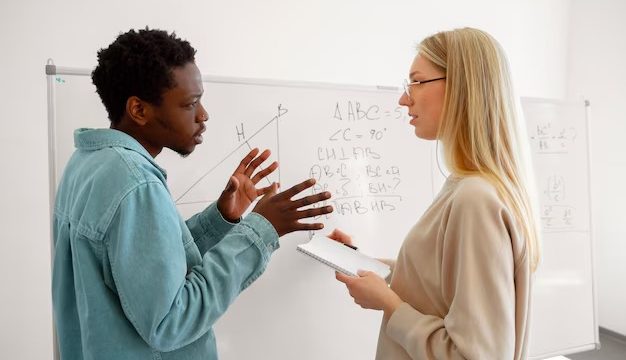
Teachers are not only educators but also role models. The way they communicate and interact with their students sets the tone for acceptable behavior within the classroom. When teachers demonstrate respect in their interactions—using polite language, actively listening, and treating students as equals—they implicitly teach students how to treat one another. This modeling of respectful behavior can lead to a culture of kindness and consideration among peers.
Moreover, when teachers address conflicts or disagreements calmly and constructively, they provide students with tools to navigate their own interpersonal challenges. By showing how to resolve issues respectfully, teachers empower students to engage in healthy conflict resolution, which is a vital life skill.
Creating a sense of community
A respectful classroom thrives on a strong sense of community. Teachers can cultivate this by encouraging collaboration and teamwork among students. Group activities and projects allow students to learn from one another and develop interpersonal skills. When students work together toward a common goal, they learn to respect each other’s contributions, fostering a sense of belonging.
In addition, establishing classroom norms and values as a collective effort can enhance this sense of community. When students participate in creating rules and expectations, they feel a greater sense of ownership over their classroom environment. This participatory approach not only promotes respect but also encourages accountability, as students are more likely to adhere to norms they helped establish.
Encouraging open communication
Open lines of communication are essential in promoting respect in the classroom. Teachers should create an environment where students feel comfortable voicing their thoughts and concerns. This can be achieved by implementing regular check-ins or creating opportunities for anonymous feedback. When students know their opinions are valued, they are more likely to engage respectfully with their peers.
It’s also important for teachers to be approachable. When students feel they can speak to their teacher about issues or challenges, it builds trust and respect. A teacher’s willingness to listen and respond thoughtfully can make a significant difference in how students perceive their classroom environment.
Fostering critical thinking
Encouraging critical thinking is another competency that can promote a respectful classroom. When students engage in discussions that challenge their perspectives, they learn to respect differing opinions. Teachers can facilitate this by creating opportunities for meaningful dialogue where students can express their views and consider those of others. This not only enhances their understanding of various viewpoints but also instills a sense of respect for the diversity of thought.
In addition, teachers can guide students in navigating sensitive topics with care and respect. By providing frameworks for discussing challenging issues, teachers help students engage in respectful discourse, even when opinions clash. This skill is invaluable, as it prepares students for respectful interactions beyond the classroom.
Valuing diversity
A commitment to valuing diversity is crucial for fostering a respectful classroom. Teachers can incorporate diverse perspectives and materials into their curriculum, ensuring that all students see themselves represented in their learning. This not only enriches the educational experience but also reinforces the idea that every student’s background is worthy of respect.
Moreover, discussing the importance of diversity and inclusion can help students develop a more profound appreciation for their differences. When teachers facilitate conversations around these topics, they encourage empathy and understanding, allowing students to see the beauty in diversity rather than focusing on divisions.
Encouraging self-reflection
Self-reflection is a powerful tool for personal growth and respect. Teachers can encourage students to reflect on their actions and behaviors, helping them understand how these impact others. This can be done through journaling, group discussions, or guided reflections. When students take time to consider their interactions, they are more likely to cultivate a respectful attitude towards their peers.
Additionally, teachers can model self-reflection by sharing their own experiences and how they’ve learned from them. This openness not only humanizes teachers but also encourages students to embrace their imperfections and strive for growth.
In conclusion, the competencies that promote respectful classrooms are multifaceted and interconnected. By understanding their students, modeling respectful behavior, fostering community, encouraging open communication, promoting critical thinking, valuing diversity, and nurturing self-reflection, teachers can create an environment where respect flourishes. In such a space, students not only excel academically but also learn to navigate the world with kindness and empathy, preparing them for a future where respect is paramount. As we continue to prioritize these competencies, we pave the way for a generation that values and exemplifies respect in all aspects of life.