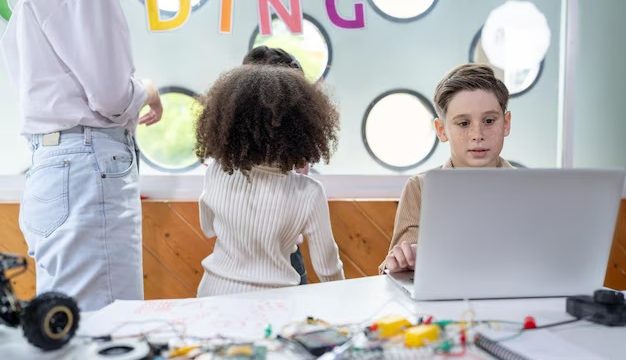
In a world that often prioritizes standardization and uniformity, the role of a teacher in nurturing creative expression is more crucial than ever.
Creativity is not just a skill; it’s a way of thinking and being that can transform lives, inspire innovation, and foster a deeper understanding of the world.
So, what competencies should teachers cultivate to inspire their students’ creative spirits?
A gentle approach to fostering creativity begins with understanding the essence of the student-teacher relationship.
At its core, this relationship should feel safe and supportive, a space where students can explore ideas without fear of judgment. An inspiring teacher is one who can create an environment that celebrates curiosity and encourages risk-taking. This means embracing a mindset that values questions just as much as answers, allowing students to feel secure in expressing their unique perspectives.
The ability to listen actively is another vital competency for teachers aiming to inspire creative expression. When students share their thoughts, whether they are coherent or chaotic, it is essential for teachers to validate those ideas. Active listening involves not just hearing words but understanding the emotions and intentions behind them. By engaging with students’ narratives, teachers can help them refine their thoughts, ultimately leading to more profound creative expressions. This kind of interaction fosters a sense of belonging, where students feel their contributions are valued.
In addition to listening, teachers should also be willing to model vulnerability. Sharing personal stories, creative endeavors, and even failures can create a powerful connection with students. When teachers show that they, too, are on a journey of exploration and growth, it encourages students to take their own creative risks. This transparency can demystify the creative process, illustrating that creativity is not just for the gifted few but is a human experience accessible to all.
A nurturing environment also thrives on the idea of collaboration. Teachers can inspire creativity by facilitating group projects that encourage students to share ideas and build upon each other’s strengths. Collaborative learning not only enhances creativity but also teaches students valuable interpersonal skills. In these settings, students learn to negotiate, compromise, and celebrate collective achievements. They discover that creativity can flourish in community, and that diverse perspectives only enhance the creative process.
Encouraging self-reflection is another essential competency for teachers. Students often need guidance in understanding their creative processes and recognizing their unique strengths. By incorporating reflective practices, such as journaling or group discussions about creative experiences, teachers can help students articulate their thoughts and feelings. This process of reflection allows students to gain insight into their creative journeys and fosters a deeper connection to their work.
Moreover, a teacher’s own creativity can serve as an inspiring beacon for students. When educators bring their passions into the classroom, whether it’s through art, music, writing, or any other form of expression, it opens the door for students to explore their interests. Teachers can share their favorite books, artworks, or music, encouraging students to discover what resonates with them. This shared enthusiasm can ignite a spark in students, motivating them to pursue their creative passions with vigor.
Creating a rich and stimulating environment is also fundamental. Classrooms should be filled with diverse materials and resources that encourage exploration. Whether it’s art supplies, musical instruments, or technology, having access to a variety of tools allows students to experiment and express themselves in different ways. Teachers can curate these resources thoughtfully, providing students with the freedom to choose how they want to express their creativity.
Incorporating play into learning is another delightful way to inspire creativity. Playfulness in education allows students to engage with concepts in a relaxed and enjoyable manner. When teachers infuse elements of play into lessons, they create an atmosphere where creativity can thrive. This might involve hands-on activities, improvisational exercises, or simply allowing for spontaneous moments of creativity. The joy of learning can often lead to unexpected bursts of inspiration.
A small shift toward balance is also essential in nurturing creativity. Teachers can help students manage the pressures that often stifle creative expression. By encouraging a balance between structured learning and free exploration, educators can foster an environment where creativity is not seen as an extra, but as an integral part of the learning process. Mindfulness practices, such as breathing exercises or quiet reflection time, can also help students center themselves, allowing their creativity to flow more freely.
Lastly, fostering a growth mindset is crucial in the journey of creative expression. Teachers can encourage students to view challenges as opportunities for growth rather than obstacles. By praising effort and resilience, educators can help students develop a belief in their ability to improve and innovate. This mindset empowers students to embrace the creative process, understanding that failure is often a stepping stone to success.
In conclusion, the competencies that teachers cultivate to inspire creative expression are multifaceted. By fostering a supportive environment, actively listening, modeling vulnerability, encouraging collaboration and self-reflection, sharing their passions, and maintaining a playful yet balanced approach to learning, educators can ignite the creative flames within their students. Creativity is a powerful force that can lead to personal growth and societal change, and teachers play a pivotal role in nurturing this essential skill. As we embrace the beauty of creative expression, we can look forward to a future filled with innovation, empathy, and inspiration.