In today’s rapidly evolving educational landscape, the role of a teacher has transformed significantly.
It’s no longer just about delivering information; it’s about fostering an environment where students can thrive and reach their full potential.
The competencies that teachers embody are essential in reinforcing learning goals and creating a supportive atmosphere for students.
Let’s explore the qualities and skills that make a meaningful impact in the classroom.
A gentle approach to communication is one of the cornerstones of effective teaching. When teachers communicate clearly and compassionately, they create a safe space for students to express their thoughts and questions. This open line of communication not only helps to clarify concepts but also encourages students to engage more deeply with the material. Teachers who listen actively and respond thoughtfully foster a sense of belonging, which is crucial for student motivation and success.
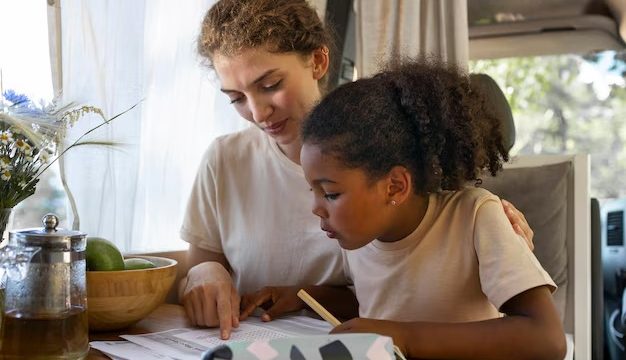
Building relationships is another essential competency that enhances learning. A teacher who takes the time to understand their students’ backgrounds, interests, and learning styles can tailor their approach to meet individual needs. This personalized attention helps students feel valued and understood, which can significantly boost their confidence and willingness to participate. When students know their teachers care about them as individuals, they are more likely to invest in their learning journey.
Embracing flexibility is vital in a classroom environment. Each day brings new challenges, and being adaptable allows teachers to respond to the unique dynamics of their classrooms. Whether it’s adjusting lesson plans to accommodate different learning paces or finding creative solutions to unforeseen obstacles, flexibility helps maintain a positive learning atmosphere. This adaptability not only supports students but also sets an example of resilience and problem-solving that students can emulate.
Creating an engaging learning environment is also key to reinforcing educational goals. This involves more than just presenting information; it’s about inspiring curiosity and encouraging exploration. Teachers who incorporate hands-on activities, discussions, and collaborative projects invite students to become active participants in their learning. When students are engaged and invested in what they are learning, they are more likely to grasp concepts deeply and retain information.
Understanding the importance of assessment is another competency that enhances the educational experience. Assessment should not merely be a tool for measuring performance; it should serve as a guiding light for both teachers and students. By using assessments to inform instruction, teachers can identify areas where students may need additional support and adjust their teaching strategies accordingly. This approach not only helps students grow academically but also helps them develop a growth mindset, understanding that learning is a journey filled with opportunities for improvement.
Cultivating a positive classroom culture is essential for reinforcing learning goals. A supportive environment encourages students to take risks and make mistakes, which are vital components of the learning process. Teachers who promote kindness, respect, and collaboration help students feel safe to express themselves and explore new ideas. This positive atmosphere not only enhances academic performance but also contributes to students’ social and emotional well-being.
Incorporating technology thoughtfully is another competency that can significantly enhance learning. Today’s students are digital natives, and integrating technology into the classroom can make learning more relevant and engaging. Whether it’s using educational apps, online resources, or collaborative tools, technology can help teachers create interactive and personalized learning experiences. However, it’s essential that teachers balance technology use with traditional learning methods to ensure that all students can benefit from various approaches.
Fostering critical thinking skills is crucial in preparing students for the complexities of the world around them. Teachers who encourage inquiry and exploration help students develop the ability to analyze information, evaluate different perspectives, and solve problems creatively. This competency not only reinforces learning goals but also equips students with valuable life skills that extend beyond the classroom.
A small shift toward balance is also necessary for teachers themselves. Self-care and professional development play significant roles in a teacher’s ability to reinforce learning goals effectively. When teachers prioritize their well-being and continuously seek to improve their skills, they model the importance of lifelong learning for their students. Additionally, a balanced approach helps prevent burnout, allowing teachers to remain passionate and engaged in their work.
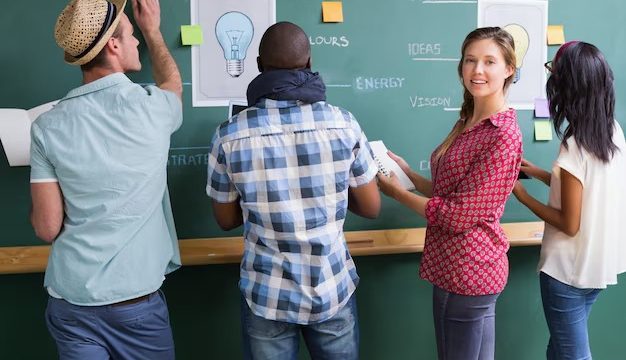
Collaboration among educators is another vital aspect of reinforcing learning goals. When teachers work together, they can share insights, strategies, and resources that benefit their students. Collaborative planning can lead to more cohesive learning experiences and ensure that students receive consistent messaging across different subjects. This teamwork creates a sense of community among educators, further enhancing the overall learning environment for students.
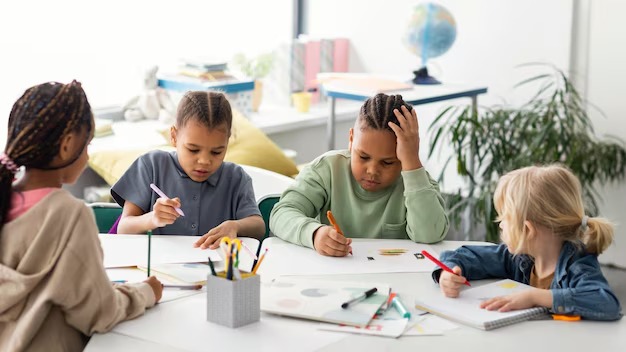
Finally, embracing diversity in the classroom is essential for reinforcing learning goals. Acknowledging and celebrating the varied backgrounds and experiences of students enriches the learning experience. When teachers incorporate diverse perspectives into their lessons, they help students develop empathy and a broader understanding of the world. This inclusive approach not only supports academic growth but also prepares students to thrive in a diverse society.
In conclusion, the competencies that teachers embody play a pivotal role in reinforcing learning goals. By fostering open communication, building relationships, embracing flexibility, and creating engaging environments, teachers can significantly impact their students’ educational journeys. As we continue to navigate the complexities of modern education, it’s essential to recognize and support the vital role teachers play in shaping the future. Each teacher’s dedication and commitment to their students create ripples of positive change that extend far beyond the classroom.